


Blog
Access valuable information for care that's more informed and compassionate.

 11 September, 2015
How to Keep Your Aging Bones Strong
The Dynamics of Bone Density
For most people, bone mass levels peak at age 30 and begin to decline steadily afterward. Although bone remodeling continues to take place, people who are older than 30 lose more bone mass than they are able to build back. Bone loss rates are more pronounced in some people than they are in others and there are a variety of factors that affect how much bone mass a person will loose with age. These include factors the following:How Much Calcium You Consume
People who eat a diet that is very low in calcium are likely to suffer more bone loss than people who eat a calcium-rich diet. Calcium deficiency can often lead to decreased bone density, premature bone loss and a higher risk rate for fractures and breaks.Lack of Physical Activity
Physical activity is one of the most important factors for keeping bones strong and people who live sedentary lifestyles are likely to suffer bone loss and fractures at a higher risk than more active people.Smoking or Drinking
Smoking cigarettes or consuming more than 2 alcoholic drinks each day greatly increases the risk of developing osteoporosis due to the fact that alcohol can interfere with the body’s ability to retain and absorb calcium. Similarly, tobacco products make it difficult for the body to transport nutrients to the bone, which makes them brittle and vulnerable to breaks.Gender
As a general rule, women are at a higher risk for osteoporosis than men due to the fact that, on a genetic level, women have less bone tissue than men. Additionally, both women and men who have a body mass index of less than 19 have less bone mass, which means their bones may become brittle more rapidly with age.Genetics
Your family history and race both have a great deal to do with bone loss rates. People of Caucasian or Asian descent are at increased risk for developing Osteoporosis, as are people from all races who have an extensive family history of bone loss.Hormones
Hormones play a large role in bone loss rates. People with excessive levels of thyroid hormone will experience more bone loss, as will women experiencing reduced estrogen rates as a result of menopause. Additionally, women who suffer from amenorrhea and men with low or declining testosterone levels will suffer a loss of bone mass.Medications
People who have been using a long-term corticosteroid medication or an anti-seizure medication may be at increased risk of bone loss due to the medication’s ability to interfere with the body’s dispersal of nutrients.Preventing Bone Loss: What You Can Do
Although bone loss will inevitably happen as people age, it doesn’t need to be so severe as to lead to osteoporosis. Fortunately, there are many preventative measures seniors and aging adults can take to keep their bones healthy and strong all throughout life’s later years.Nutrition
Nutrition is one of the most important parts of maintaining bone health. Specifically, people need to be sure to they are consuming enough calcium- and Vitamin D-rich foods in their diets. When it comes to calcium, women after the age of 50 and men after the age of 70 should be consuming 1,200 mg of calcium on a daily basis. Keep in mind that the best sources of any nutrient are generally whole food sources and people can find ample levels of calcium in foods such as dairy products (whole milk, yogurt, cheese), nuts, leafy greens such as kale, salmon and soy-based products such as tofu. If, after switching to a calcium-rich diet, you still find yourself low on the calcium intake, consider adding a calcium supplement to your diet. Vitamin D, on the other hand, should be consumed at a rate of 800 international units (IU’s) per day for adults beyond the age of 71. Food sources of Vitamin D include egg yolks, tuna and Vitamin D-fortified milk. Additionally, spending time in the sun aids in the body’s production and synthesis of Vitamin D.Exercise
In addition to ensuring adequate nutrition, people who are concerned about keeping their bones strong should pay extra attention to exercise. When it comes to maintaining bone health and decreasing bone loss, there are two types of exercise that people should focus on. These include the following:Weight-Bearing Exercise
Weight-bearing exercises are particularly important for bone health and can actually help slow the bone deterioration rate in people already affected by osteoporosis. Weight-bearing exercises stretch and pull muscles and bones more than everyday activity and, thus, can help strengthen bones in the long-term. Great option for weight-bearing exercises for seniors and older adults include Tai Chi, Yoga, walking, golf, ballroom dancing, moderate hiking and racket sports such as tennis and squash. These activities all provide weight-bearing activity that allows the bones to adjust to moderate force and, in turn, become as resilient and strong as possible.
Muscle-Strengthening Exercise
Muscle-strengthening exercises maintain muscle flexibility and condition and, as such, can actually slow the rate of bone loss and prevent related fractures. Generally, muscle-strengthening exercises include functional movements that involve lifting the body’s own weight. Forms of muscle-strengthening exercises may include utilizing elastic exercise bands, using free weights for low-impact workouts and using weight machines to build and maintain lean muscle. Additionally, people who suffer from joint pain or stiffness may find swimming helpful, as it is low-impact and also offers all of the muscle-strengthening, stretching and flexibility benefits of the above exercises.
Lifestyle Adjustments
In addition to adopting a healthy diet and ample exercise, people who want to prevent bone loss should also limit alcohol and stop smoking. These two changes alone will go a long way toward increasing bone health and limiting the risk of painful fractures. Although bone loss is a reality of aging, osteoporosis doesn’t have to be. With these easy dietary and lifestyle changes, seniors and older adults can ensure that their bones stay strong, healthy and capable throughout all stages of life. 9 September, 2015
6 Important Steps to Living a Healthy Life
1. Take stock of your life
In order to get started, you first need to take stock of your current lifestyle in order to figure out what needs to be done. How are you doing health-wise? Schedule a comprehensive health check-up to find out. In fact, no matter how you are doing health-wise at the moment, you really should schedule regular appointments with your doctor for routine check-ups. Look also at your current activity level, both in terms of physical activity and social activity. Are you getting enough physical activity? Do you have a healthy social life? It always helps to have a supportive social circle, regardless of how you are currently doing in life.2. Get any significant issues under control
If you have any chronic health problems, it is crucial that you have some sort of plan to get things under control. Ensure that you are receiving appropriate medical attention and treatment, and lose any habits you may have that could aggravate your condition. For instance, if you have chronic respiratory problems, you should avoid smoking. Managing your stress levels well is also crucial. Develop some healthy coping mechanisms, such as exercise or meditation, in order to keep your baseline stress level in check. Regardless of the nature of the issues you are facing (be it physical, psychological or otherwise), it is advisable that you have a stable support system in place. The support of a medical professional and/or your loved ones could go a long way.3. Increase your daily activity level
It is advisable to get at least one half hour of exercise at least three days a week. Getting regular exercise is an essential part of a healthy lifestyle. This is because it not only helps you to maintain a healthy body weight, build strong bones, and fight osteoporosis, but it can also help to prevent depression. So mix things up, and make exercise fun for yourself. If you do not like jogging or swimming, go for a cycle around the neighborhood or at the beach. Pick up a new sport with a friend. Alternatively, you could work exercise into your daily routine. For example, opt to take the stairs instead of the elevator. If you do this for an entire year, you could burn twice the number of calories you would have burnt by riding the elevator.4. Regulate your diet
This is the part that a lot of people dread. But having a healthy diet really isn’t as bad as you might think it is. Don’t think of it as something you ‘should’ do. Rather, think of it as something you ‘choose’ to do. Your mindset can make a huge difference. As most of you already know, you should aim to have 5 to 9 servings of fruits and vegetables daily. Try to have a range of fruit and vegetables in order to get a good mix of micronutrients and vitamins. A good way to do this is to have a variety of colors (e.g. carrots and peas for orange and greens). Also, try to avoid overeating. If you find that you have a huge appetite, try slowing down the speed at which you eat your meals. In addition, don’t work or watch TV whilst you are eating. These prevent you from fully enjoying your food, which makes you less psychologically satisfied with your meal. If you absolutely have to snack in between meals, go for a healthy snack such as a piece of fruit or a salad. Remember that the type of calories you consume is just as important as the number of calories you consume.5. Get adequate rest every night
Getting enough sleep is as important as having a healthy diet and exercise regime. Lack of sleep can cause you to overeat and be less equipped to deal with stress. With that said, it is important that you do not ignore any chronic sleep problems you may have. See a sleep specialist if you are facing any sleep problems that you are unable to deal with alone. The following are some tips for dealing with sleep problems. Avoid watching the telly or using the computer two hours before bedtime. This is because the light emitted from the screens tricks your brain into thinking that it is time to be up and about. Also, avoid doing heavy exercise close to bedtime. Vigorous activity causes your body’s core temperature to rise, making it more difficult for you to fall asleep. You should also try to stick to a regular sleep schedule. When your body has settled into a routine, you will be better able to fall asleep at night.6. Avoid (excessive) alcohol/drug consumption
If you consume alcohol or any other additive substance on a regular basis, you will find yourself facing a multitude of health problems. This is especially so for the case of tobacco, regardless of whether it is consumed in the form of cigarettes, cigars or chewing tobacco. In fact, if you avoid (excessive) alcohol and/or drug consumption, you will be able to save yourself a ton of money. If you absolutely have to consume alcohol, for work or other social reasons, ensure that you do not overdo it. Consult a medical expert to find out what is a reasonable amount. http://www.webmd.com/balance/features/healthy-living-8-steps-to-take-today http://www.webmd.com/diet/4-steps-healthy-lifestyle http://www.realsimple.com/health/preventative-health/healthy-lifestyle http://depts.washington.edu/uwcoe/healthtopics/healthylife.html 7 September, 2015
Importance and Benefits of Vitamins for Seniors
What are vitamins?
Vitamins are organic chemical compounds that organisms get from food. What is special about these compounds is that organisms’ bodies are able to produce them, but are not able to do so in adequate quantities for normal metabolism, hence the need to get additional amounts through foodstuff. If the body does not receive sufficient amounts of vitamins, deficiency diseases may develop. There are two main types of vitamins – fat-soluble vitamins and water-soluble vitamins.Fat-soluble vitamins
These vitamins are stored in organisms’ livers and in fat tissues. They are absorbed through the intestinal tract. Fat-soluble vitamins can be stored in the body for long periods of time. Hence, there is no need to consume fat-soluble vitamins on a daily basis. Examples of fat-soluble vitamins include Vitamins A, D, E and K. They are found mainly in fatty foods and animal products.Water-soluble vitamins
The important thing to note about water-soluble vitamins is that they are not stored in the body for very long; any excess water-soluble vitamins are quickly expelled from the body as a component of urine. As such, we need to replace the water-soluble vitamins in our bodies often to ensure that our bodies have a constant supply. Examples of water-soluble vitamins include Vitamins C, B (i.e. all the B vitamins) and folic acid. They can be found in a wide variety of foods. For instance, dairy product, fruit, vegetables and grains all contain water-soluble vitamins. However, water-soluble vitamins are easily destroyed by heat, so cooking foods causes some vitamin loss.Why should seniors and aging adults take vitamins?
People of all ages need vitamins, but they are especially important in the case of seniors and aging adults. This is due in most part to physiological changes linked to aging. This explains why organizations such as the Institute of Medicine have separate nutrient recommendations for people aged 70 and above; it is done in order to cater to the increased micronutrient requirements of this group of people. When one ages, one faces decreased needs for energy intake. This is partly due to decreased physical activity level, hence requiring less food due to the lowered metabolic rate. Older persons may also face decreased appetites or have financial problems, rendering them unable to acquire adequate nutrient-dense foods (i.e. foods that have high levels of essential nutrients per food unit). For example, one study found that 50% to 75% of residents in German nursing homes have low energy intake. However, one’s requirements for micronutrients remain the same despite the decreased need for energy intake. In fact, an older person’s micronutrient requirement is, in some cases, even higher than that of a younger person (this will be explained later on). The reduced food intake is then unable to keep up with the constant (or increased) needs for micronutrients, even if the senior or aging adult consumes nutrient-dense foods. Additionally, the ability of older adults’ bodies to absorb and utilize micronutrients is lower than that of a younger person’s. With less efficient absorption and utilization, it is crucial for older adults to have increased nutrient intake in order to ensure that the body is still receive sufficient amounts of micronutrients. As if all that were not enough, chronic conditions and medications can also affect nutrient requirements. A large percentage of older persons have to take medications for chronic conditions, and some of these medications cause nutrient wasting interactions, especially in the case of the Vitamin B family. A study has shown that when an older person regularly uses supplements, his or her risk for having a nutrient intake below the Estimated Average Requirement is reduced by four times.What happens if seniors and aging adults don’t get enough vitamins?
In general, when one is unable to meet the required levels of micronutrients, this results in the development of deficiency diseases. The types of health-related problems that arise from the deficiency of different micronutrients vary. The following is a non-exhaustive list of some of the problems that may arise from micronutrient deficiency:Degenerative diseases
According to the European Food Safety Authority, Vitamin E is an essential antioxidant for the human body. When one is deficient in Vitamin E, various chronic degenerative diseases can develop. The risks are especially high in the case of elderly persons. These degenerative diseases can affect many parts of the body, include the skeletal and muscular systems.Central nervous system function disorders/Immune system disorders
The central nervous system metabolizes dopamine and noradrenaline. This process requires certain levels of Vitamins B2, B6 and B12. It also requires folate and Vitamin C. As such, if a person does not have enough of these micronutrients, the central nervous system will not be able to function properly. The synthesis of neurotransmitters and amino acids also require certain micronutrients. The immune system will also be affected, causing the person to be more susceptible to common viruses and infections. In the case of seniors or aging adults, these seemingly minor illnesses could possibly lead to more major health complications.Cognitive function disorders
The process of energy production in the brain depends heavily on several micronutrients. These include but are not limited to Vitamin B2, B6, B12 and C. These vitamins play an important role in the glycolysis and the respiratory chain. Certain vitamins are also crucial for proper brain functioning. Insufficiencies may lead to age-related cognitive decline and, in extreme cases, Alzheimer’s disease. http://www.medicalnewstoday.com/articles/195878.php http://www.nhs.uk/Conditions/vitamins-minerals/Pages/vitamins-minerals.aspx http://www.sciencedirect.com/science/article/pii/S0899900714003396 http://www.ncbi.nlm.nih.gov/books/NBK51837/ https://www.nia.nih.gov/health/publication/whats-your-plate/vitamins-minerals http://www.webmd.com/healthy-aging/news/20121130/older-adults-vitamins-supplements http://www.webmd.com/healthy-aging/nutrition-world-2/missing-nutrients https://www.healthambition.com/food-rich-minerals/ 4 September, 2015
What Causes Diabetes and How to Prevent and Treat It
What is diabetes?
Diabetes – I’m sure we’ve all heard about it, but how many of us actually know what it means? The term diabetes actually refers to a group of diseases that can arise due to a rage of causes. In general, people who have diabetes have high blood glucose. This state can also be referred to as high blood sugar or hyperglycemia. Diabetes can be classified into two common main types – type 1 and type 2. They are brought about by different causes. Diabetes can be classified into two common main types – type 1 and type 2. They are brought about by different causes.What are the causes of diabetes?
Type 1 diabetes
Type 1 diabetes is an autoimmune disease, meaning that the body’s immune system attacks and destroys its own beta cells even though its normal function is to protect the body from infection by destroying viruses, bacteria and other harmful foreign substances. Diabetes then occurs when there is insufficient insulin due to the destruction of insulin-producing beta cells in the pancreas. Type 1 diabetes usually occurs in children and young adults, although it is possible for it to occur in persons of any age.Genetic Susceptibility
One important factor in determining a person’s likelihood of developing type 1 diabetes is heredity. Many genes that are passed down from biological parent to child have been found to be influential in determining susceptibility to and protection from type 1 diabetes.Autoimmune Destruction of Beta Cells
Research has suggested that insulin itself might be an important trigger for the immune system attacking the beta cells. Put simply, people who are susceptible to developing type 1 diabetes have immune systems that respond to insulin as if it were an antigen (or foreign substance).Environmental Factors
Environmental factors can play a significant role in the development of type 1 diabetes. Possible factors include food ingested and toxins present in the environment. It has been suggested that environmental factors can trigger the immune system’s attack on beta cells.Viruses and Infections
Viruses alone are unable to bring about type 1 diabetes, but there has been a correlation between viral infections and diagnosis of type 1 diabetes. This suggests that there is a link between the two. Also, type 1 diabetes often develops during the winter, which is also the period of time in which viral infections are common.Type 2 diabetes
Type 2 diabetes is the most common form of diabetes – more so than type 1 diabetes. It can be brought about by a number of factors. A person with type 2 diabetes is unable to utilise insulin effectively, and at the same time is unable to produce enough insulin to compensate for the impaired ability to use insulin. Type 2 diabetes is most common in middle-aged and older people who are overweight. However, it can also be found in obese children and adolescents.Genetic Susceptibility
Genes are one of the most critical factors regarding susceptibility to type 2 diabetes. This is proven by the high rate of type 2 diabetes in families, especially in the cases of identical twins. Also, there are distinct variations in type 2 diabetes prevalence by ethnicity – namely, African Americans, American Indians and Pacific Islander Americans are amongst the ethnic groups that seem to be most susceptible to type 2 diabetes. Genes can also affect a person’s risk of type 2 diabetes by increasing his or her tendency to become overweight.Obesity and Physical Inactivity
If your caloric intake is much higher than your level of physical activity, this can lead to obesity, which causes insulin resistance. This then contributes to susceptibility to type 2 diabetes. It is alright to have a high caloric intake, but do ensure that you have a relatively high level of physical activity to go with it.Insulin Resistance
Insulin resistance is common amongst people who are overweight, have excess abdominal fat, and are not physically active. Because of these factors, their liver cells respond ineffectively to insulin. The pancreas is then stimulated to produce extra insulin. The combination of ineffective insulin utilization and beta cell dysfunction causes blood glucose levels to rise, resulting in diabetes.How can I prevent diabetes?
Type 1 diabetes cannot be prevented, but you can prevent type 2 diabetes by making the following healthy lifestyle choices.Be more physically active:
Try to get about 30 minutes of moderate physical activity every day. Choose to take a walk instead of the bus, or the stairs instead of the elevator. Or you could take a nice relaxing swim after a long day at work. It will go a long way in preventing obesity and hence diabetes.Lose excess weight:
If you are currently overweight, do try to get your weight down to a healthy range. A good guide is to aim to lose 7 percent of your body weight. So if you are currently weighing in at 90.9 kilograms (200 pounds), simply aim to lose 6.4 kilograms (14 pounds) and you would have reduced your risk of diabetes.Have a healthy diet:
Reduce your consumption of foods that are high in calories and fat content. Choose instead to have more fruits, vegetables and whole grains. Lean meats are a good idea as well.Medication:
Oral medication for diabetes can help to prevent the onset of type 2 diabetes. Such drugs include but are not limited to Glucophage and Glumetza.How is diabetes treated?
Diabetes used to be a fatal disease a long time ago, before insulin was discovered. But with advances in medical technology and knowledge, people diagnosed with diabetes are able to lead a normal life. The most important aim of diabetes management are the following – keeping blood glucose levels, blood pressure and cholesterol levels under control. To do this, you need to lead a healthy lifestyle – have a healthy diet, get adequate physical activity – and take insulin. Regarding the taking of insulin, it is important to balance your insulin intake with the amount of food you eat. Your level of physical activity also affects the timing and quantity of insulin you need to take. Other things to take note of:Monitoring your blood glucose levels:
You should go for regular blood tests to monitor your blood glucose levels in order to ensure that it isn’t fluctuating too widely.Monitoring your blood pressure and cholesterol levels:
Although these aren’t directly related to diabetes, diabetics tend to be at higher risk of developing cardiovascular disease. As such, it is essential that you monitor your blood pressure and cholesterol levels in order to prevent developing cardiovascular disease. Eating healthily, doing frequent exercise and avoiding smoking will help as well.. http://www.diabetes.co.uk/treatment.html http://www.medicinenet.com/diabetes_treatment/article.htm http://www.cdc.gov/diabetes/basics/prevention.html http://www.hsph.harvard.edu/nutritionsource/preventing-diabetes-full-story/ http://www.medicalnewstoday.com/info/diabetes/ http://www.niddk.nih.gov/health-information/health-topics/Diabetes/causes-diabetes/Pages/index.aspx http://www.nhs.uk/Conditions/Diabetes-type2/Pages/Treatment.aspx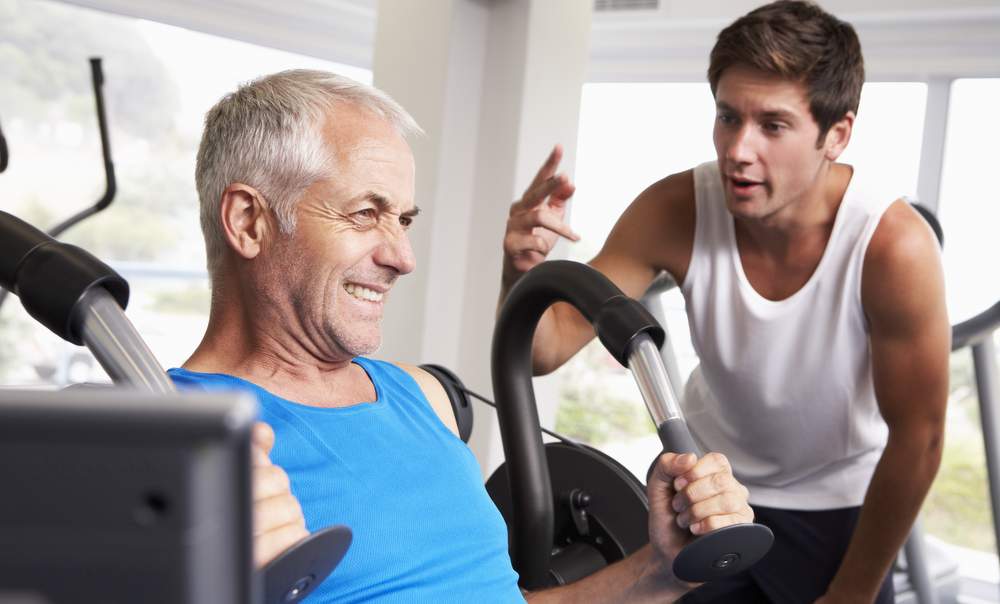 2 September, 2015
September is Healthy Aging Month: 7 Steps to Aging Healthy
-
Take the time to get your eyes checked
-
Hearing
-
Blood Pressure Screening
-
Meeting with family
-
Volunteer
-
Practice something challenging
-
Keep your body moving
 31 August, 2015
Causes of Back Pain and What You Can Do to Prevent It
What Causes Back Pain?
Back pain results from a variety of things, the most common of which are skeletal problems and muscular or ligament strain. In many cases, back pain comes on slowly, as the result of an underlying problem. Occasionally, however, back pain comes on suddenly as the result of a traumatic injury or acute spinal disc problem. Generally, back pain originates from one of the following causes:Skeletal Deformations:
Common skeletal deformations such as scoliosis or birth defects can easily cause back pain. Fortunately, these conditions are rare and, when detected early, can often be rectified with chiropractic care or physical therapy.Muscle Strain:
Muscle strain is one of the leading causes of back pain and often results when people move in unnatural ways or lift heavy items. People who are in poor physical condition are more likely to experience muscle strain and, when lifting heavy items, may also experience accompanying muscle spasms.Osteoporosis:
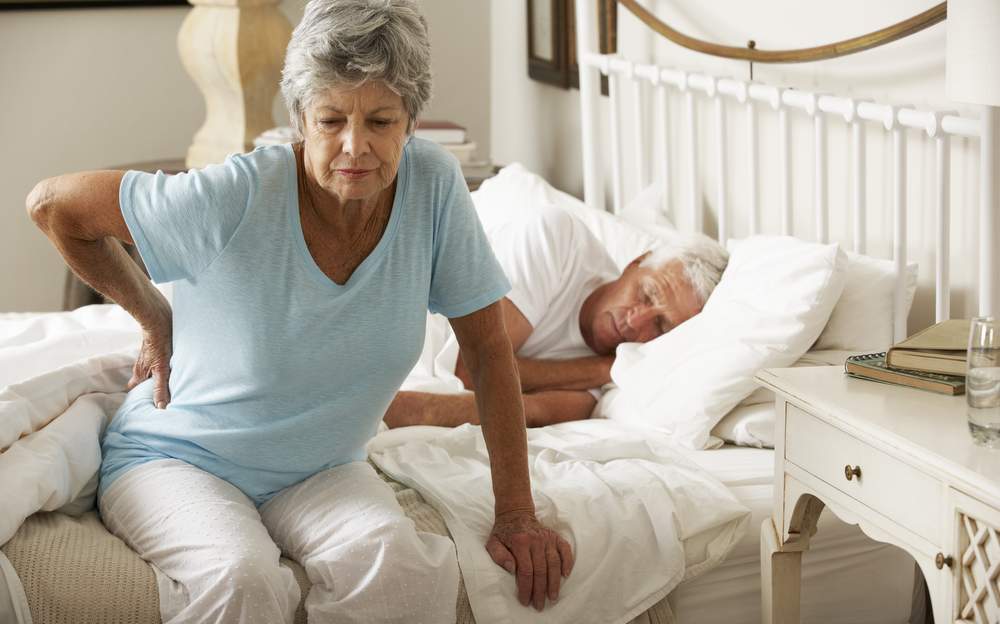
Osteoporosis is a condition that causes bones throughout the body to become weak and brittle. When osteoporosis affects the spine, it can result in the formation of compression fractures and hairline cracks. Because of this, people suffering from osteoporosis often experience back pain that ranges from moderate to debilitating.Ruptured Discs:
Spinal discs serve the important purpose of cushioning the vertebra in the spine. Spinal discs are constructed like small pillows and filled with a soft material known as mucoprotein gel. Under extreme pressure, however, the disc can rupture or bulge to one side or another, resulting in undue strain on spinal nerves and considerable back pain. In rare occasions, however, patients may have bulging or ruptured disks and no back pain at all.Arthritis:
In older individuals, back pain is most often caused by arthritis. Osteoarthritis is very common in the lower back and, in severe cases, can cause the entire spinal column to narrow down around the cord in a condition called spinal stenosis. Patients suffering from spinal stenosis will be in great pain but, fortunately, can often find relief through surgery.Who is at Risk for Back Pain?
Back pain affects people of all ages across all demographics. There are, however, some specific risk factors that place certain populations at increased likelihood for chronic back pain.Older Individuals:
Age is a direct risk factor for back pain and individuals beyond the age of 40 are at increased risk for back pain due to deteriorating spinal structure and increasing stiffness in joints.Out of Shape Individuals:
Poor physical condition directly contributes to an increased risk for back pain. When individuals are obese or lacking muscle strength, the spine is forced to absorb more strain, which often leads to back pain. Additionally, abdominal muscles play an important role in preventing back pain and, when a person is in very poor physical condition, the abdominal muscles cannot preform well enough to hold the spine in ideal position.Pregnant Individuals:
In the later months of pregnancy, the weight of the baby and all accompanying tissues and fluids is centered on the low spine. In order to support the weight, the spine is pulled forward, which often causes considerable back pain. The pain is worsened when a woman is forced to stand, sit or lie down for a very long time. Fortunately, pregnancy-induced back pain is temporary and can often be mitigated with chiropractic care and massage.Individuals Who Lift Heavy Objects:
People who lift heavy loads, such as movers and construction workers, are at incredible risk for back pain if they don’t maintain proper lifting form. Because lifting weighty objects puts considerable strain on the back, these individuals have a very high risk of slipping or rupturing disks or injuring muscles or ligaments.Individuals who Smoke:
Smoking makes it difficult for the body to deliver adequate nutrition to bones and, as such, can often result in severe and chronic back pain. In most cases, ceasing to smoke and adopting a healthy diet and lifestyle is enough to remedy smoking-induced back pain.Diseases:
Although rare, some types of cancer or tumors can cause back pain by pressing directly on the spinal column or its associated nerves and muscles.How to Prevent Back Pain
Even though back pain is so common, there are many ways to prevent it from occurring. Most people who suffer from back pain will benefit from simply adopting a healthier lifestyle, which means including more dietary fiber, vegetables, fruits and water into the diet. Individuals who smoke should stop as soon as possible and people in poor physical shape will find relief from back pain by beginning an exercise regiment designed to strengthen muscles and improve overall condition. Additionally, everyone who suffers even occasional back pain will benefit from practicing good posture. Unbeknownst to most people, poor posture is one of the leading causes in the muscle strain and weakness that often causes back pain. Because of this, people who lift heavy objects often should invest in a back brace designed to support proper posture of the spine and associated muscles during heavy lifting. In addition to wearing the brace, these individuals should avoid bending at the waist and should, instead, lift at the knees. Finally, people who suffer from chronic back pain may find powerful prevention in the form of a stretching practice like Yoga or Tai Chi. These practices are designed to gently condition muscles and can be very beneficial for keeping the spine aligned and preventing future back pain from occurring. Older individuals who are suffering from back pain caused by arthritis or osteoporosis can benefit from seeing a doctor regularly. Depending upon the type of back pain, these individuals may benefit from physical therapy, chiropractic work or a light yoga practice. Additionally, better nutrition, ample water intake, healthy lifestyles and plenty of light-impact physical activity are ideal for keeping the spine in great shape at any age. Although back pain is a common and uncomfortable condition, it can be treated and prevented in a variety of ways, which means that patients can live happier, healthier lives with less back pain. 28 August, 2015
All About Organic Food and What’s the Big Deal?!
What fueled this “organic movement”?
The move to organic produce by consumers has partly been fueled by beliefs that organic produce may be better for health than conventional produce, concerns over health hazards potentially associated with pesticide usage, or that organic farming methods have a lesser environmental impact.Agricultural pesticide usage and public perception
Before the 1920s, farming methods were largely pesticide-free (5). It was not until WWII that scientists discovered “chemicals designed as nerve gas…were also capable of killing insects” (5) and chemical pesticide usage in farming methods were not used until after WWII (4), when synthetic pesticides like DDT were made available to the public. Touted as a “fix all”, agricultural workers were ecstatic about its success in improving crop yields, reduction of pests, and its inexpensive price. Not much about the adverse effects were known at the time, but the dangers of some chemicals, notably the pesticide DDT, were later espoused by conservationist Rachel Carson in her book called “Silent Spring” in 1962. Carson had been researching the effects of pesticide exposure on “non-target creatures (organisms other than those that the pesticide is intended to kill)” in areas where the pesticide had been applied (4). Her publication included sound evidence of the death of animals in those regions and the persistence of the chemicals in the environment, which would continue to harm wildlife over time. She also noted that these chemicals could accumulate and reside in the tissue of the exposed being, including humans, and contribute to cancer or genetic damage in certain cases (6). Carson’s book was monumental in its broadening of public knowledge and shaping of perception towards pesticide usage and the potential damage it carries. Within the following decades, “the growing consumer interest in health and nutrition, the growth of the green movement, the focus on conservation and environmental issues stimulated the development of the organic market and encouraged farmers to adopt organic methods” (5). However, concern from organic producers and others also grew regarding the hazy conditions surrounding the term “organic”. This spurred the passage of the Organic Foods Production Act (OFPA) of 1990, which allowed the Agricultural Marketing Service under the U.S. Department of Agriculture to create national standards for foods certified as “organic”. It also created a National Organic Standards Board (NOSB) and a regulatory agency called the National Organic Program (NOP), which oversees the production and handling of organic items.Health benefits of organic produce
There has been much debate over whether organic foods or conventional foods are “better” for overall health. And despite the research that has been undertaken, the evidence is not yet conclusive. Although more research needs to be conducted, the current literature contains findings similar to these following quotes: an article from Science Direct states that “in public health terms, there is insufficient evidence to recommend organic over conventional vegetables” (7) and another study states that the “results at present do not make it possible to formulate a general conclusion on a higher health-promoting value of organic vegetables in comparison to those grown by conventional farming methods” (6).So why the craze for organic?
Although the evidence regarding overall health is not yet conclusive, organically grown produce does still have certain favorable benefits over its conventionally grown counterpart.-
More of certain vitamins and minerals may be present in organic products.
-
Organic farming has less of an environmental impact.
-
Reduced exposure to pesticides and other chemical additives
 26 August, 2015
The Role of Patient Education in Reducing Hospital Readmissions
Why is there a need to reduce hospital readmissions?
These are some of the reasons why there is a need to lower the number of re-hospitalization:- To reduce the pressure brought on hospitals due to high readmissions
- To lessen the dissatisfaction patients feel when they repeatedly find themselves back in the hospital
- To reduce the cost of readmission on Medicare, state Medicaid programs, and private health plans
How does education help in preventing hospital readmission?
Patients who clearly understand their after-hospital care instructions, which includes how and when to take their medicines and when to return for their follow-up appointments are 30 percent less likely to be readmitted than patients who don’t have this information. Unfortunately, a huge number of hospitalized patients do not receive education on how to take care of themselves.Project RED
According to Jack BW et al. in Annals of Internal Medicine, Project RED (Re-Engineered Hospital Discharge Program) intervention provides the strongest evidence that supports the efficacy of enhancing hospital-based discharge processes. In this program, a specially trained nurse conducts patient education while the patient is still in the hospital, arranges follow-up appointments, confirms medication routines, and prepares a patient-specific instruction booklet. Project RED also involves a pharmacist’s follow-up call to the patient 2-4 days after discharge to confirm the medication plan and to clarify any questions. As a result of Project RED, 370 participants had 30 percent fewer readmissions and emergency visits than the 368 patients who did not participate in the intervention. The data shows that there is a significant connection between patient education and reduced hospital readmissions.Qualities that make patient education programs achieve the best results:
Education efforts are routinely directed toward the key learner
The term “key learner” does not only refer to the patient but could involve any individual who accompanies the patient during doctor’s appointments, assists the patient take his or her medications, takes care of the patient at home, and listens in to instructions at the time of the patient’s hospital discharge. In many cases, this role falls on the patient’s home health aide, which will be noted by the education providers to make sure that they will involve this individual in their teaching efforts.Education providers consistently assess the patients’ comprehension of the information they give.
The “teach back” strategy has been proven to very effective in determining the patient’s understanding of the concepts taught to them. In this approach, key learners are asked to communicate what they learned in their own words. Education providers could also guide them by asking questions related to the patient’s condition. For instance, the staff can ask the question “What is the name of the diuretic or water pill you take?” from a heart failure patient. The “teach back” strategy could also be used by asking the patient different questions every day during his or her stay in the hospital. These questions can be knowledge-related (What steps are involved in following a low-sodium diet?), attitude-related (Why is it important to take your water pill daily?), and behavior-related (How will you remember to check for symptoms of heart failure every day?).Organizational practice puts patient education as a priority.
Educating patients entails additional man hours, which is why it’s important for the organization or the hospital to make patient education a priority. Besides, through multitasking and by maintaining clear documentation, discussions related to patient education would take less than 10 minutes per day.Technologies and strategies are used to make activities related to patient education fit easily into the hospital employees’ flow of work.
Because patient education entails extra work for the hospital employees, it is necessary for strategies to be applied to make the adoption of the education system smooth. It is also important to make the scheme easy for the hospital employees to use in addition to their regular workload. One example of such system is a software that prompts the hospital worker at a predetermined time to conduct the “teach back” strategy, including the questions that he or she can ask the patient.Materials related to patient education are created with the patient in mind
The best education materials are designed to clarify concepts that patients may have trouble understanding. This means that, whenever possible, simple words and instructions should be used. Highlighting important information, such as a new medication should also be done to let patients know of the data’s significance.How can home health aides help in reducing hospital readmissions?
Home health aides not only perform a vital role in the maintenance of the health and well-being of their patients, they are also important factors in protecting their patients from re-hospitalization. To do so, a home health aide should: Communicate with the discharge planner. Before the patient leaves the hospital, the home health aide must speak with the hospital discharge planner and go over both parties’ expectations regarding the patient’s recovery, scheduling, and the provision of post-discharge care. Organize the patient’s follow-up appointments. Inadequate follow-up and monitoring are some of the typical reasons for re-hospitalization. Unfortunately, fewer than half of patients see their doctor for a follow-up appointment between discharge and readmission. According to research, it is crucial for a patient to see a doctor within seven days of discharge to reduce the likelihood of his or her readmission to the hospital. In this instance, the patient or the home health aide and the hospital need to stay in close contact through phone calls for reminders to schedule and keep appointments. Be familiar with the patient’s medication requirements. Based on research, adverse medication events account for over half of hospital readmissions among elderly patients. This means that patients need to receive a medication review upon admission, during the patient’s stay in the hospital, and upon discharge. There should also be medication education and counseling, as well as a regularly scheduled follow-up online or by phone. Moreover, even before the home health aide returns home with the patient, it is important for him or her to understand everything about the patient’s medication routine. This is also the time for him or her to clarify questions about the prescriptions, especially if there are new ones. Be mindful of the risk factors for re-hospitalization. There are factors that increase the risk of readmission in some patients. A diagnosis of heart failure or COPD (chronic obstructive pulmonary disease) are examples of such risk factors. Home health aides must learn all the possible risk factors so he or she will be appropriately prepared for any eventualities and deal with them in the appropriate manner. Carefully monitor the patient’s condition. Home health aides are trained to note the changes in their patient’s behavior and determine whether these changes could lead to re-hospitalization due to an adverse event. Keep the home free from hazards. An important part of a home health aide’s job description is to make sure that the patient’s home is free from anything that might pose a threat to his or her patient’s health and well-being. This is especially important to reduce the possibility of hospital readmission.Other ways to prevent re-hospitalization
Aside from patient education, the other ways to prevent hospital readmission are the following: Conduct real-time monitoring at home. The monitoring of a patient’s care and health status in real-time helps home health aides and other health care providers act swiftly to provide early intervention in the patient’s home. As a result, the need for hospital readmission is reduced. Participate in a readmission prevention-focused initiative. These types of initiatives allow hospitals and other health care providers to work together and share strategies and best practices for preventing re-hospitalization. Join incentive programs with payers. Health systems are working together with hospitals to give incentives to providers who successfully reduce preventable re-hospitalization. The guidelines of most incentive programs allow hospitals to realize savings if they were able to drive down the number of readmissions and lose money if readmissions increased. Pay special attention to patients who are hearing-impaired or who have limited English proficiency. Patients who do not fully understand what is expected of them after their discharge are at greater risk of readmission. This is why it is important for hospitals to work with sign language experts and foreign language interpreters to properly communicate important information to the patients and vice and versa. Hospital readmission is not only costly, it also puts a strain on the hospitals and could contribute to the patients’ overall frustration and dissatisfaction with their failing health and capabilities. Fortunately, these adverse effects can be avoided through patient education and other ways in which patients, health care professionals, hospitals, and other concerned organizations all work together toward achieving a common goal. Sources: Effective Interventions to Reduce Rehospitalizations: A Survey of the Published Evidence www.academyhealth.org/files/SQII/STAARSurvey.pdf Reducing Hospital Readmissions with Enhanced Patient Education https://www.bu.edu/fammed/.../krames_dec_final.pdf 10 Proven Ways to Reduce Hospital Readmissions http://www.beckershospitalreview.com/quality/10-proven-ways-to-reduce-hospital-readmissions.html 5 Ways Healthcare Providers Can Reduce Costly Hospital Readmissions http://hitconsultant.net/2013/03/31/5-ways-healthcare-providers-can-reduce-costly-hospital-readmissions/ Can Caregivers Help Reduce Hospital Readmissions http://www.aarp.org/politics-society/advocacy/caregiving-advocacy/info-2014/caregivers-reduce-readmissions.html 24 August, 2015
Be Kind to Humankind Week: Seven Daily Tips to Make the World a Better Place
Day One: Show Them That You Care
Day one of Be Kind to Humankind Week is all about demonstrating compassion, which makes it a great time to get involved in volunteer work. Find a cause that you’re passionate about and seek out an organization in your area that offers services. You could volunteer to dish out meals at the soup kitchen, run food deliveries for the local food bank, read to seniors at an assisted living home, bring some small gifts to children in a cancer ward or volunteer at the local women’s shelter. Helping other people has been scientifically proven to do everything from increasing life span to boosting happiness and decreasing pain and there’s no time like now to show them that you care. Even if you only volunteer for a week, the time spent in service of others will benefit you for years to come.Day Two: Drive Courteously
Road rage is all too common these days. Even if you don’t actively get out of your car to chase another one down the road screaming, most of us are guilty of being a little too aggressive at one point or another. All of this stems from the fact that we are constantly in a hurry, rushing from place to place, very absorbed in our own realities. Fortunately, day two of the Be Kind to Humankind celebration is meant to remedy this exact problem. During day two of the celebration, focus on driving as courteously as possible. Check out this guide on how to be a more courteous driver or simply pay attention to the needs of others while on the road. Let someone into your lane, pull over promptly for emergency vehicles, avoid tailgating and make plenty of room for cyclists and pedestrians on the road. In addition to making you a more courteous driver and drastically reducing stress levels, these simple tips also help keep you and everyone around you safer on the road.Day Three: Spread Kindness, One Heart at a Time
Kindness: it’s free, easy and it makes the world go around. Day three of the Be Kind to Humankind celebration is dedicated to encouraging kindness and helping people understand that kindness doesn’t have to be huge or showy. It is easy to carry out random acts of kindness and the third day of the BKHK celebration is the perfect place to begin. Kindness is often as simple as writing a heart-felt “get well” card or cooking a meal for a family with a brand new baby. Other great ways to be kind include complimenting people, calling a loved one just to say hello, offering to watch a friend’s kids so the parents can have a special date night, encouraging someone’s dreams and plans or simply listening to a friend, loved one or stranger who is in distress. Being kind is easy and the ripple effect of genuine kindness and compassion truly has the power to change the world.Day Four: Offer a Helping Hand
Have you ever driven by people picking up trash on the side of the road? What about the people who volunteer to organize charity events or community events? These people provide an important community service that increases the quality of life for many people and the fourth day of the BKHK celebration strives to encourage people to lend a helping hand. There are many great ways to offer a helping hand and fantastic options include volunteering for a community project, helping a sick relative clean or go shopping, giving a hard-up acquaintance a ride to work or donating unused clothing, home goods or appliances to people in need. Lending a helping hand doesn’t just uplift the person receiving the help; it uplifts the person offering the help, as well.Day Five: Treat Others Well
Being thoughtful and considerate is a powerful skill that has the potential to increase the quality of life for many people. On day five of the BKHK celebration, focus on being increasingly thoughtful of others. “Thoughtful Thursday,” as it is called by the celebration’s website, encourages simple actions like holding the door for a stranger, cooking lunch for someone in need, being supportive for friends and family in need and simply remembering to say things like “please” and “thank you.” To take your thoughtfulness a step further, you could clip coupons for those in need or buy a struggling family some diapers or baby goods. It’s easy to be thoughtful and, although the actions required are simple, the practice is powerful.Day Six: Come Together
Day six of the Be Kind to Humankind celebration is aptly termed “Forgive Your Foe Friday” and, you guessed it, this day is all about letting go of grudges and starting fresh. Although forgiveness is often easier said than done, learning to forgive is an integral part of living a healthy, cohesive, happy life. Start your journey toward forgiveness by simply minding your thoughts and refusing to harbor negative, nasty or aggressive thoughts toward your so-called “foe.” When that gets easier, you can either reach out and attempt reconciliation or simply begin to temper back you feelings of anger and hurt toward this person. In the words of author and psychoanalyst Clarissa Pinkola Estes, “Forgiveness is an act of creation...You can forgive for now, forgive till then, forgive till the next time, forgive but give no more chances it’s a whole new game if there is another incident. You can give one more chance, give several more chances, give many chances, give chances only if. You can forgive part, all, or half of the offense. You can devise a blanket of forgiveness. You decide.” No matter how you choose to forgive, rest assured that the act of forgiving will improve life for you and those around you.Day Seven: Say Something Nice
“Speak Kind Words Saturday” is the last day of the Be Kind to Humankind celebration and is intended to encourage kind thoughts, actions and words. The words we speak inform our thoughts and actions and it is amazingly important to ensure that we are speaking kindly to one another and ourselves. Additionally, since speaking kindly can reduce stress and promote a better lifestyle, it is obvious that this simple tip benefits individuals as well as society at large. On the seventh day of this celebration, focus on complimenting people you admire and encouraging kind words from others. Tell a friend that you love him or her or make it a point to thank someone for his or her hard work, kind deeds or special attention. Teach children to speak gently and avoid gossip. Although these actions are simple, they can go a long way toward encouraging kinder speech patterns and a more welcoming world. Be Kind to Humankind week is a celebration that seeks to make the world a better place and enhance the quality of life for everyone who lives here. This week, focus on meeting each day’s objective and pay attention to how these simple practices transform your life, work and mind.