


Blog
Access valuable information for care that's more informed and compassionate.

 4 November, 2025
Diabetes Awareness Month: Supporting Seniors Living With Diabetes
November is Diabetes Awareness Month, a time to highlight the importance of proper diabetes management and support, especially for older adults. As part of our commitment to improving senior diabetes care, Community Home Health Care understands that managing this chronic condition can be challenging for both seniors and their families. From meal planning to medication management, ongoing support makes a world of difference in maintaining health and independence.
According to the Centers for Disease Control and Prevention (CDC), more than 29% of adults over age 65 in the U.S. have diabetes. This makes education, awareness, and access to reliable care more important than ever.
The Importance of Senior Diabetes Care
Effective senior diabetes care goes beyond monitoring blood sugar, it involves creating a balanced lifestyle that includes nutrition, physical activity, and emotional well-being. Older adults with diabetes face higher risks of heart disease, nerve damage, and vision problems, making proactive management essential.
Family caregivers and professional homecare aides can work together to create structured routines that promote safety, comfort, and consistency for seniors living with diabetes.
Daily Living Support for Seniors with Diabetes
Nutrition and Meal Planning
Proper nutrition plays a central role in diabetes management. Caregivers can help prepare balanced meals that stabilize blood sugar while meeting personal preferences and dietary needs.
Encouraging Physical Activity
Even light physical activity such as daily walks, stretching, or chair exercises can improve insulin sensitivity and energy levels. Always check with a healthcare provider before starting new routines.
Monitoring Health Changes
Changes in appetite, energy, or wounds that heal slowly can indicate shifting blood sugar levels. Staying aware of these signs can prevent complications and improve long-term outcomes.
Building a Support System for Seniors with Diabetes
Caring for a senior with diabetes can be demanding. A strong support network that includes family members, healthcare providers, and professional caregivers ensures the best possible care. For additional information and resources, explore the American Diabetes Association, which offers valuable tips and statistics for caregivers and seniors.
How Community Home Health Care Supports Senior Diabetes Care
At Community Home Health Care, our caregivers assist seniors with maintaining healthy routines that support diabetes management. From preparing nutritious meals to offering companionship and encouraging physical activity, we help older adults live comfortably and safely at home.
Whether you need part-time support or full-time assistance, our team is here to help create a care plan tailored to your loved one’s needs. Senior diabetes care is about more than managing symptoms; it’s about enhancing quality of life.
 21 October, 2025
Creating a Caregiving Support Network: Finding Help and Resources
Caring for an aging loved one can be deeply rewarding, but it can also feel overwhelming without the right help in place. That’s why creating a caregiving support network is so important. A strong network provides practical assistance, emotional support, and access to resources that make the caregiving journey easier for both families and seniors.
Why a Caregiving Support Network Matters
Family caregivers often juggle multiple responsibilities, from work to raising children, in addition to providing care. Without support, this can lead to stress and even caregiver burnout. A caregiving support network ensures you’re not facing the challenges alone and gives your loved one the consistent, reliable care they deserve. With 24% of the U.S. adult population providing care and 64% of those caregivers reporting high emotional stress, finding the right support is crucial.
Key Elements of a Caregiving Support Network
Family and Friends
Start by including family members, close friends, and neighbors. Even small contributions, like helping with errands or visiting regularly, can make a big difference.
Professional Caregivers
Homecare services play an essential role in your support network. Professional caregivers provide assistance with daily living, companionship, and safety, giving families peace of mind and much-needed breaks.
Community Resources
Many communities offer caregiver support groups, respite care programs, and wellness resources for seniors. These connections can provide valuable education, encouragement, and relief.
Healthcare Providers
Doctors, nurses, and specialists are vital members of your network. Keeping open communication ensures your loved one receives the right care and attention to their medical needs.
Building Your Own Caregiving Support Network
Start with Open Communication: Talk with family members about what kind of help is needed and how responsibilities can be shared.
Explore Local Resources: Look into senior centers, community programs, and nonprofit organizations that support caregivers.
Consider Professional Homecare: Adding homecare to your caregiving support network not only provides expert assistance but also helps seniors maintain independence while receiving personalized care.
How Community Home Healthcare Can Help
At Community Home Health Care, we provide compassionate, professional caregivers who support both seniors and families. From assisting with daily tasks to offering companionship and creating a safer home environment, our services help strengthen your network so you don’t have to do it all alone. Get in touch with us today to learn more!
 6 October, 2025
How Homecare Can Help Seniors Maintain Independence
As people age, maintaining independence becomes one of the most important factors in overall health and happiness. Many older adults want to continue living in their own homes, surrounded by familiarity and comfort, but may need assistance to do so safely. Homecare provides the support necessary to help seniors maintain independence while giving families peace of mind that their loved one is cared for with dignity and respect.
Why Independence Matters for Seniors
Independence isn’t just about living alone, it’s about having the ability to make choices, manage daily routines, and feel a sense of purpose. Research shows that independence among older adults is strongly tied to better mental health, greater confidence, and improved overall well-being. By supporting seniors in everyday activities, homecare allows them to retain control over their lives while receiving the help they need.
How Homecare Helps Seniors Maintain Independence
Personalized Support for Daily Living
Homecare caregivers assist with essential tasks like meal preparation, personal grooming, and light housekeeping. These services reduce stress and physical strain while allowing seniors to stay engaged in their daily routines.
Safety and Fall Prevention
Maintaining a safe home environment is a key factor in helping seniors maintain independence. Caregivers can identify potential hazards, assist with mobility, and ensure the home is free of obstacles that increase the risk of falls.
Companionship and Emotional Support
Independence is about more than physical ability, it also requires emotional well-being. Homecare provides companionship, reducing isolation, and encouraging seniors to remain socially active.
Encouraging Activity and Engagement
Caregivers can help seniors stay active both physically and mentally. Whether it’s gentle exercises, brain games, or engaging in hobbies, this support promotes independence by keeping seniors strong and alert.
Family Caregiver Support
Homecare services also help families by easing the demands of caregiving. By working together as a team, caregivers and families ensure seniors maintain independence while receiving consistent and compassionate care.
At Community Home Health Care, we know that independence is central to aging with dignity. Our caregivers provide compassionate, personalized support that empowers seniors to remain safe, active, and engaged in their own homes. Whether your loved one needs assistance with daily living, companionship, or help creating a safe environment, we’re here to support both seniors and families every step of the way.
 24 September, 2025
Women’s Health and Fitness Day: Empowering Senior Women to Stay Active and Healthy
Women’s Health and Fitness Day is the perfect reminder to prioritize wellness at every stage of life. Maintaining senior women’s health is essential for physical strength, mental clarity, and overall quality of life. Staying active and engaged not only improves mobility but also enhances emotional well-being, allowing women to continue enjoying life to the fullest.
According to the National Institute on Aging, regular physical activity helps prevent chronic conditions, boost energy, and improve mood in older adults, making it a key component of healthy aging.
Why Senior Women's Health Matters
Maintaining health for senior women is more than just staying fit, it’s about supporting bones, muscles, heart health, and mental wellness. Women over 60 are at increased risk for osteoporosis, cardiovascular issues, and decreased muscle mass. Regular check-ups, safe exercise routines, and proper nutrition can help reduce these risks and enhance daily functioning.
Fitness Tips to Support Senior Women's Health
Engaging in regular physical activity is one of the best ways to maintain health in later years. Here are some tips tailored for senior women:
- Low-Impact Cardio: Walking, swimming, or cycling helps improve heart health without straining joints.
- Strength Training: Light weights or resistance bands maintain muscle mass and bone density.
- Flexibility & Balance: Yoga or gentle stretching improves mobility and reduces fall risk.
- Group Activities: Joining a fitness class or walking group can provide social engagement and motivation.
Mental Wellness and Social Engagement
Physical health is only one piece of the puzzle. Mental and emotional wellness are equally important for senior women’s health. Activities such as reading, puzzles, volunteering, or connecting with friends and family help maintain cognitive function and emotional resilience.
How Community Home Healthcare Can Support Senior Women’s Health
At Community Home Health Care, we understand that staying active and healthy can be challenging for some seniors. Our caregivers can:
- Encourage safe exercise routines at home.
- Assist with meal preparation to support nutritional needs.
- Provide companionship to reduce isolation and promote emotional wellness.
- Help maintain a safe home environment to prevent accidents and falls.
By partnering with family caregivers, we help senior women thrive physically, mentally, and emotionally; supporting their independence and quality of life. Want to continue exloring this topic? Be sure to check out our post on Senior Men's Health for more insights!
 9 September, 2025
Is It Time? When to Get Homecare for Your Aging Loved One
Caring for an aging loved one can be both rewarding and challenging. One of the most important decisions families face is knowing when to get homecare. Approximately 12 million Americans receive home healthcare services each year, but recognizing when it’s the right time for your loved one can feel overwhelming. Families often struggle to balance independence with safety, wondering if extra support is really necessary. Understanding the signs and knowing what to look for can make the decision clearer and bring peace of mind to families.
Challenges With Daily Living
Difficulty managing activities of daily living (ADLs) is one of the first indicators that it may be time to bring in professional support. Tasks such as bathing, dressing, eating, toileting, and safely moving around the home can become increasingly difficult. Homecare providers can offer hands-on assistance to keep seniors independent while minimizing the risk of falls or accidents.
Health and Medication Management
Struggling to manage medications, attend doctor’s appointments, or cope with chronic conditions are clear signs of when to get homecare. Professional caregivers can monitor for changes in health and communicate with family members and healthcare providers to ensure your loved one receives proper care.
Emotional and Social Wellbeing
Seniors experiencing loneliness, anxiety, or sudden changes in mood may also need additional support. Isolation can affect mental and physical health, and homecare services provide companionship, mental stimulation, and opportunities for meaningful social engagement. Recognizing these signs early is key to maintaining emotional wellbeing.
Home Safety Concerns
Frequent falls, difficulty navigating the home, or cluttered living spaces are practical indicators that it may be time for professional support. Homecare professionals can assess the home environment implement safety modifications, and provide the assistance needed to prevent accidents, helping seniors remain safely at home.
How Community Home Health Care Can Help
Understanding when to get homecare is the first step toward ensuring your loved one’s safety and quality of life. At Community Home Health Care, our caregivers assist with personal care, meal preparation, mobility support, companionship, and home safety. We work closely with families to develop personalized care plans tailored to each senior’s unique needs, giving peace of mind to both seniors and their families.
 19 August, 2025
Dementia Care Activities: Fun and Stimulating Ideas for Family Caregivers
Caring for a loved one with dementia comes with many challenges, but it can also open the door to meaningful moments. Incorporating dementia care activities into your routine can reduce agitation, improve mood, and offer opportunities for connection and joy. As a dementia family caregiver, these activities can become powerful tools to enhance your loved ones quality of life.
Why Dementia Care Activities Matter
Daily activities that stimulate the mind, encourage movement, or spark emotions can be incredibly beneficial for people living with dementia. They help:
- Maintain cognitive function
- Promote a sense of purpose
- Reduce anxiety or confusion
- Improve sleep and overall health
- Strengthen bonds with family and caregivers
For caregivers, incorporating these activities can also help prevent burnout by providing structure and more positive interactions throughout the day.
Dementia Care Activity Ideas for Home
Whether your loved one is in the early stages of dementia or requires more hands-on support, the key is to focus on simplicity, safety, and enjoyment.
1. Music Therapy Sessions
Listening to favorite songs or singing along to familiar tunes can stimulate memory and improve mood.
2. Simple Arts & Crafts
Crafting activities like painting, coloring, or making collages offer a creative outlet and can improve fine motor skills.
3. Gentle Exercise
Senior-friendly exercises like chair yoga, light stretching, or even walking around the house can improve circulation and reduce restlessness. Aim for short sessions that suit their ability level.
4. Puzzles and Sorting Games
Large-piece jigsaw puzzles, matching games, or sorting buttons by color can provide mental stimulation without being overwhelming.
5. Cooking or Baking Together
Simple kitchen tasks like stirring batter, rolling dough, or decorating cookies can offer sensory engagement.
6. Sensory Bins
Fill a container with safe tactile items like fabric scraps or smooth stones. Sensory activities can help soothe agitation and provide quiet focus.
Tips for Successful Activity Time
- Choose the right time of day when your loved one is most alert or calm.
- Keep expectations flexible. What works one day might not the next!
- Focus on the process, not the outcome. The goal is enjoyment and engagement, not perfection.
- Offer praise and encouragement to boost confidence.
- Adapt activities based on energy, mood, and ability levels.
Support for Family Caregivers
As dementia progresses, finding ways to connect with your loved one becomes more important than ever. These dementia care activities are more than just time-fillers, they’re opportunities to bring comfort and connection. If you're looking for extra support, Community Home Health Care provides trained caregivers experienced in dementia care who can offer compassionate support for your family, as well as engage in these activities with your loved one
 13 August, 2025
A Guide to Private Pay Homecare Services
When exploring care options for your aging loved one, it’s important to understand the various ways to pay for homecare services. One commonly used method is private pay homecare services, which allows individuals to directly pay for the care they need without relying on insurance or government-funded programs. While Community Home Health Care accepts Medicaid, MLTC plans, CHHAs, and private long-term care insurance, we also provide flexible private pay options to support families seeking more customized care solutions.
What Are Private Pay Homecare Services?
Private pay homecare means the cost of care is paid directly by the individual or their family, rather than through insurance or public assistance. These services typically include personal care assistance, companionship, help with activities of daily living, meal preparation, and more.
At Community Home Health Care, private pay services can be tailored to meet your family's exact needs, whether it's a few hours a week or full-time support.
Pros of Private Pay Homecare Services
Choosing private pay homecare services comes with several advantages:
✅ Greater Flexibility
You’re not restricted by the coverage limitations of insurance plans or government programs. This means more freedom to design a care schedule that fits your life and needs.
✅ VIP Personalized Care
Private pay arrangements allow for more individualized attention. Care plans can be customized based on specific health conditions, preferences, and lifestyle routines.
✅ Faster Start of Services
Without needing to wait for plan approvals or eligibility assessments, families can typically begin services much faster with private pay.
✅ No Eligibility Requirements
Unlike Medicaid or CHHA programs, private pay does not require you to meet specific income or medical criteria. This can be ideal for families who don’t qualify for public assistance but still need support.
Cons of Private Pay Homecare Services
While private pay offers flexibility and personalization, there are some potential drawbacks to consider:
💸 Out-of-Pocket Costs
Because the individual or their family pays for services directly, it can become a financial burden, especially if care is needed long-term.
📊 Limited Financial Support
Unlike Medicaid or long-term care insurance, there’s no financial backing from third-party sources, so planning ahead is important.
📅 Long-Term Affordability
Private pay may be unsustainable over an extended period. Families may eventually need to explore other options such as Medicaid or MLTC plans as needs evolve.
Is Private Pay the Right Choice for Your Family?
Private pay home care services are ideal for families looking for quick, personalized, and flexible care solutions. They’re also a great fit for those in transition, such as while applying for Medicaid, or for those who want to supplement existing services with additional help.
At Community Home Health Care, we’re here to help you explore all available options, including Medicaid, MLTC, CHHAs, private long-term care insurance, and private pay. Our goal is to create a care plan that’s affordable, effective, and tailored to your family’s unique needs.
Need Help Navigating Your Options?
Choosing the right type of care can be overwhelming, but you’re not alone. Call Community Home Health Care today at 845-547-9009 and we’ll help you understand your options, answer questions about private pay homecare services, and build a plan that works for your family.
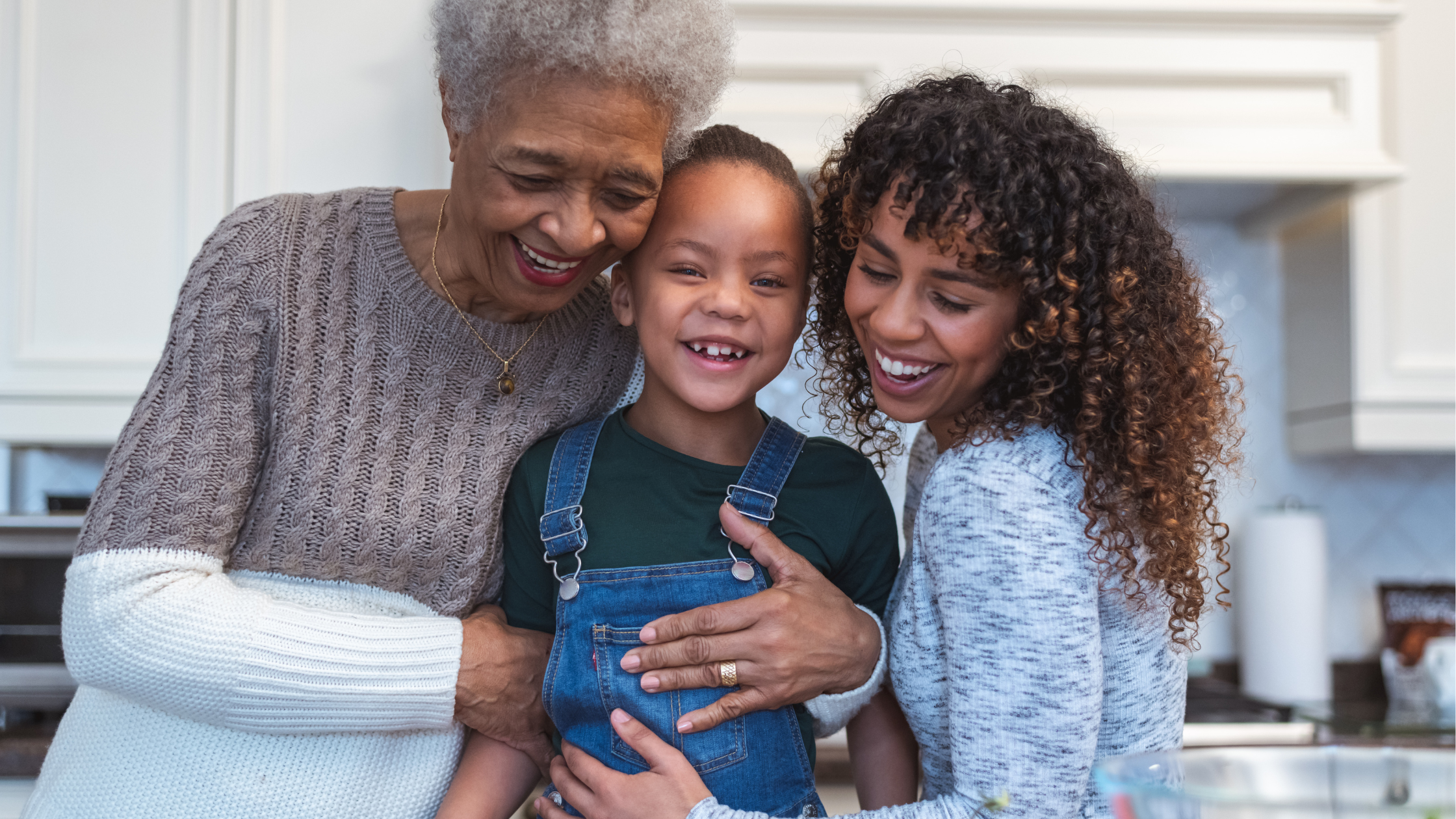 22 July, 2025
Balancing Parenthood and Senior Care: Tips for the Sandwich Caregiver
Balancing the responsibilities of raising children while caring for aging parents is a challenging and often overwhelming role. If you find yourself juggling extracurricular activities, school projects, and medical appointments across generations, you’re part of the Sandwich Generation. These Sandwich Caregiver Tips aredesigned to help you better manage the emotional, physical, and mental demands of caregiving, while also protecting your own well-being.
Who Are Sandwich Caregivers?
Sandwich caregivers are adults who are simultaneously caring for their own children and their aging parents. According to Pew Research Center, over 25% of U.S. adults are now in this dual role. That number is expected to grow, making resources and strategies even more critical for caregivers trying to keep up.
Tips For Sandwich Caregivers
Caring for both children and aging loved ones can be emotionally and physically draining, increasing the risk of caregiver burnout. Without practical strategies to manage these demands, both your well-being and the quality of care you provide may suffer. Here are some essential tips to help you navigate this challenging role:
Prioritize and Plan Ahead
Time management is everything. Use shared calendars to coordinate medical appointments, school events, and personal obligations. One of the most effective Sandwich Caregiver Tips is to identify your top three priorities each day and focus on those, letting go of non-essentials when needed.
Be Honest and Open with Family
Being in the middle can be emotionally tricky. Keep open lines of communication with your kids, partner, siblings, and aging parent. Share responsibilities where possible, and speak up when you need help.
Lean on Your Support System
Whether it’s friends, extended family, or a caregiving network, having people you can count on makes a big difference. Online support groups or community resources offer tips, tools, and emotional support for family caregivers.
Protect Your Personal Time
One of the most important Sandwich Caregiver Tips is to take care of yourself. Schedule small breaks, even just 15 minutes a day, to recharge. Regular respite care or homecare services can allow you time to rest and reset.
Simplify Where You Can
Meal delivery, online shopping, and medication management tools can reduce your daily load. If caregiving feels overwhelming, look for technology or services that automate some of your routine tasks.
Use Professional Homecare for Support
Homecare services, like those offered by Community Home Health Care, provide trusted assistance with day-to-day care needs. From companionship and personal care to support with mobility and safety, our caregivers help ensure your senior loved one receives consistent, quality care. This gives you peace of mind, as well as freeing up time and energy for you to focus on both your family and yourself.
You’re Not Alone in This Journey
Being part of the sandwich generation is challenging, but also meaningful. With the right resources, support, and mindset, you can manage your responsibilities while maintaining your own health. These Sandwich Caregiver Tips can be your starting point to creating more balance and support in your caregiving journey.
Ready to lighten your caregiving load? Contact Community Home Health Care today to learn how our personalized homecare services can help your family thrive.
 8 July, 2025
Understanding Sundowning: What It Is and How to Manage It
Caring for a loved one with dementia comes with many emotional and practical challenges; one of the most puzzling being sundowning. If you’ve noticed your loved one becoming increasingly anxious, confused, or agitated as the day progresses, they may be experiencing this phenomenon. Understanding what sundowning is and how to manage sundowning is key to improving quality of life for both your loved one and yourself.
What Is Sundowning?
Sundowning refers to a pattern of increased confusion, restlessness, or agitation that often occurs in people with Alzheimer’s or other forms of dementia during the late afternoon or evening hours. While the exact cause isn’t fully understood, it’s believed to be linked to changes in the body’s internal clock, fatigue, and the reduced ability to process stimuli as the day wears on.
According to the Cleveland Clinic, up to 20% of individuals with Alzheimer’s experience sundowning symptoms as their disease progresses.
Common Symptoms of Sundowning
- Increased confusion or disorientation
- Pacing, restlessness, or repetitive behaviors
- Verbal or physical aggression
- Mood swings or crying spells
- Shadowing (following caregivers closely)
These symptoms can vary from person to person and may intensify with stress, changes in environment, or lack of sleep.
How to Manage Sundowning
While sundowning can’t always be eliminated, several effective strategies can reduce its intensity and improve daily routines.
1. Stick to a Consistent Routine
Keeping daily schedules predictable can ease anxiety. Try to maintain consistent times for waking, meals, activities, and bedtime. A stable routine helps reduce confusion and gives your loved one a sense of security.
2. Create a Calm Evening Environment
As evening approaches, reduce noise, clutter, and visual stimulation. Soft lighting, relaxing music, and quiet activities like reading or puzzles can help your loved one unwind. Avoid stimulating activities like TV or large group gatherings late in the day.
3. Encourage Daytime Activity and Exposure to Light
Promote physical activity and natural light exposure during the day to help regulate the body’s internal clock. Taking walks, sitting outside, or near a bright window can make a difference. Light therapy is also being explored as a possible tool for how to manage sundowning more effectively.
4. Maintain Healthy Sleep
A study by the National Institute on Aging found that sundowning can be linked to poor sleep cycles and increased stress levels in caregivers. Try our sleep tips for seniors and caregivers to improve our loved ones’ sleep health.
5. Identify Triggers
Keep a journal to track behavior patterns and identify potential triggers such as hunger, pain, overstimulation, or even room temperature. Recognizing these can help you make adjustments that prevent future episodes.
How Community Home Healthcare Can Help
Caring for a loved one with dementia, especially when sundowning is a factor, can be exhausting. That’s where Community Home Healthcare can offer meaningful support. Our compassionate caregivers help manage daily routines, provide companionship, and reduce stress during those difficult evening hours. We work alongside family caregivers to create a calm, structured environment that promotes comfort and stability.
While sundowning can be challenging, it doesn’t have to define your caregiving journey. With understanding, structure, and support, it’s possible to reduce the impact and help your loved one feel more secure. Remember: you are not alone, and help is available.
If you're looking for guidance on how to manage sundowning or need support caring for a loved one with dementia, reach out to Community Home Healthcare today.
