


Blog
Access valuable information for care that's more informed and compassionate.
 28 December, 2015
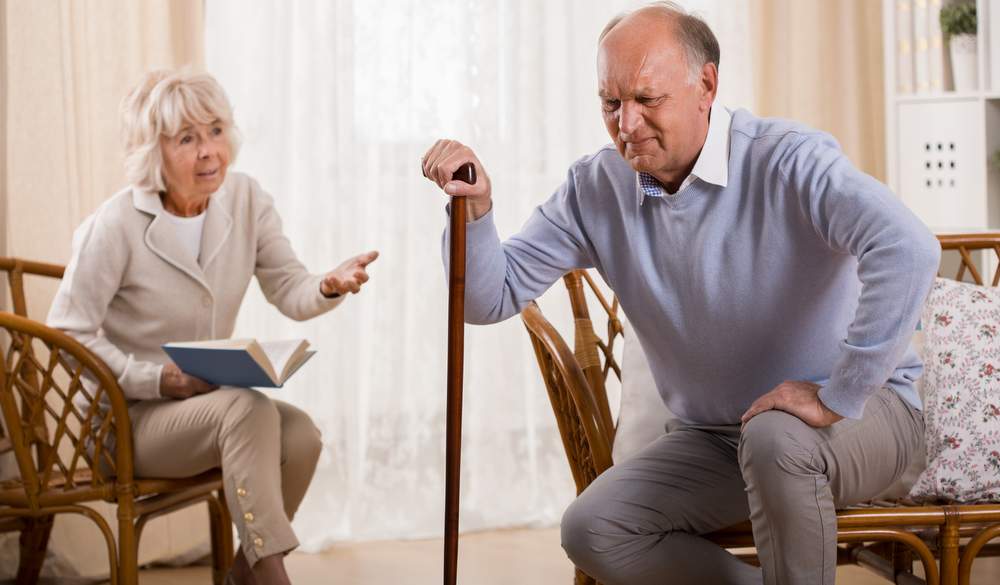
4 Key Steps to Help You Prevent Arthritis
Arthritis is the most common disability in America and has been since the year 2000. Arthritis affects nearly 50% of people by age 85 and the rates are especially high for people who are overweight or have previous injuries.
Roughly 52.5 million people in the United States have some form of arthritis currently and by 2030 that number is projected to jump to over 67 million. Although it is rare, arthritis is not limited to older people: 294,000 children younger than 18 have some form of arthritis.
With those numbers in mind, it’s no secret that one of the most common difficulties of aging is arthritis. As people age, arthritis can set in and rob individuals of mobility and function, while also creating considerable pain and suffering. Fortunately, there are many ways to prevent arthritis and stay comfortable and healthy throughout your older years.
Read More
Arthritic Risk Factors
There are currently over 100 types of arthritis and all of them have a unique series of risk factors. Females are more prone to arthritis than men and a family history of arthritis raises the likelihood of developing the condition considerably. That said, many risk factors are completely modifiable and just because an individual is female or because there is a family history of arthritis does not mean that that individual will suffer from arthritis. There are many behaviors and preventive measures that can help you avoid arthritis, such as maintaining a healthy weight, eating a good diet, and not smoking. Additionally, people who have had fewer sports injuries or surgeries are at lower risk of arthritis. Although true prevention is currently believed to be impossible, here are the things that can help reduce the risk of arthritis.1) Maintaining a Healthy Weight
For people who are at a healthy weight, maintaining that weight may be one of the biggest factors in avoiding certain types of arthritis. When people are overweight, it puts excess strain on the weight-bearing joints and creates excess wear on delicate body mechanisms. Obese women are 4x as likely as women of a healthy weight to struggle with arthritis. Fortunately, weight loss of just 5% of an obese person’s total body weight can go a long way toward decreasing joint stress and can actually cut the risk of arthritis by 50%.2) Exercising Often
When it comes to bone mass, it’s a “use it or lose it” kind of game. When the bones are not used for weight-bearing activities like walking, they slowly lose density, which is accompanied by weakening muscle mass and atrophy. These things increase the risk for arthritis and associated breaks and fractures. Exercises like isometric moves or walking can be fantastic for building and maintaining bone strength. Those already suffering from arthritis symptoms may find these activities painful, however, and may prefer activities like bicycling or swimming. Even if you already have arthritis, exercise is still important: according to the CDC, when adults with arthritis engage in moderate levels of physical activity three times or more per week, they can reduce the risk of increased pain and disability by 47%.3) Avoid injuries and have existing ones treated immediately
If you’re one of the many people who suffered a joint injury during your younger days, you may be at increased risk for developing arthritis as you age. This is due to the fact that injuries to joints put joints at greater risk for stress, strain, and breakdown later. In fact, people who have injured their knees are three times more likely to suffer from arthritis in the injured knee later in life. This statistic goes up if you have injured your joints as an adult. To avoid injuries, insure proper position when working out or lifting heavy objects, land with your knees bent if you need to jump, warm up and cool down after exercise, and always wear proper shoes when running or walking. If you have an existing joint injury, it is important to have it treated fully as soon as possible.4) Eat a well-rounded diet
Although there is no designated diet that can completely prevent arthritis, there are certain nutrients that can help avoid it or reduce its severity. These nutrients are as follows:- Omega-3s: omega-3 fatty acids are found in high levels in fish oil, and plant and nut oils. These nutrients reduce inflammation and lubricate the joints as they move, cutting down on the friction that leads to the development or worsening of arthritis.
- Vitamin C: Vitamin C can dramatically reduce the progression of arthritis if taken in doses of 120-200 milligrams per day. Vitamin C is present in green peppers, citrus fruits, tomatoes, broccoli, leafy greens, whit potatoes, melons, and strawberries. Talk to your doctor about having your vitamin C levels tested and supplementing with an over the counter vitamin C supplement if needed.
- Vitamin D: Vitamin D has been shown to slow the progression of arthritis and help fortify bones to prevent fractures and breaks. Vitamin D is found in fatty fish, milk, cereal, and eggs. In sunny weather, vitamin D can be absorbed through sunlight but those who live in cloudy climates may need to supplement during the winter.
Preventing Arthritis 101: Why you Should Treat Symptoms Early
If you’ve been suffering from pain, stiffness, swelling, or loss of mobility in a joint for two weeks or more, seek your doctor as soon as possible. While these symptoms may seem small, they can be warning signs of arthritis and, if left untreated, can easily turn to full-blown arthritis very quickly. While arthritis may not be completely preventable, it can be treated much easier with early diagnosis and treatment. This is because early treatment minimizes damage to joints. As arthritis progresses, damage to joints becomes more pronounced and, as the damage goes on, it becomes harder and harder to treat. That said, those who receive treatment for arthritis early will have better outcomes and will likely be able to maintain more mobility.Conclusion
While there is no way to prevent arthritis entirely, the above tips can help decrease your risk of developing arthritis wile also helping to stave off symptoms. In the event that arthritis is already established, there are several treatment options available. Pain relieving medications like NSAIDs or acetaminophen may be helpful and, in severe cases, some doctors may prescribe an antidepressant to help cope with musculoskeletal pain. If you believe that you or a loved one may be suffering from arthritis, it’s wise to visit your doctor as soon as possible. Early treatment can help avoid joint pain and damage and help reverse certain symptoms. While you may not be able to completely prevent arthritis, these tips can help you reverse symptoms and cope with pain. While arthritis is a very common condition, it doesn’t have to decrease your quality of life as you age.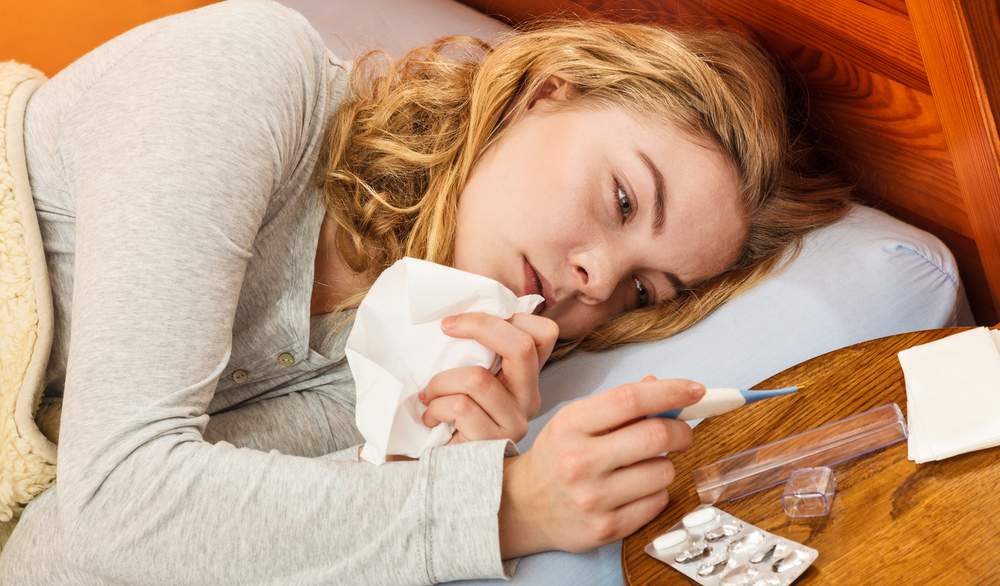 22 December, 2015
13 Easy Ways To Help Fight Off A Cold
The Cold and flu are mostly harmless medical conditions which are not considered as serious illnesses, but they are also one of the top productivity killing health conditions due to the amount of rest required and almost a week long symptoms. The cold is mostly seasonal (winter) and viral, so antibiotics are of no use which is also a good sign. The good news is, there are very easy and simple remedies as well as precautions that can not only help fight off a cold, but can also keep it at a safe distance. Listed are some very simple remedies and precautions that can really help.
Read More
1. Build a Stronger Immune System
The best defense against a viral disease like cold and flu is a stronger immune. If your immune system can attack the virus and win over it, you are safe. So the logical step when you are getting into the winter is to take some immune-building nutrition like vitamin A, vitamin C, vitamin D, selenium, iodine and zinc. Out of these, Vitamin C is well known for its cold-preventing properties. All the listed nutrients and vitamins are immune-boosting and can prepare your immune system to counter the upcoming viral attack. You can find multiple supplements in the market with these immune boosting nutrients.2. Wash, wash and wash…
Well, this is common knowledge, but let us restate it again. Studies claim that washing hands frequently can significantly decrease the risk of contracting cold & flu. Make it a habit to wash your hands whenever you are exposed to a place with a lot of people. Wash your hands at least 5 times a day especially before and after the meal.3. Add Ginger Tea to Your Daily Diet
Adding 2 to 6 cups of ginger tea to your daily diet can not only help in preventing cold & flu, but if you have already contracted cold, it can help in limiting the duration of sickness. This is due to the anti-viral properties of ginger and its immune-boosting micro-nutrients. You can also add more ginger as an ingredient in your food.4. Use Herbs
Use of herbs is a top and most commonly used natural remedy around the world. Herbs are also a common alternative medicine in Chinese and other South East Asian cultures for centuries. If you are not comfortable with using supplements for immune boosting nutrition, a great alternate is to use herbs that are known for building a stronger immune. A mixture of herbs like astragalus, rhodiola and cordyceps can do wonders in prevention as well as to heal you faster. If you have already contracted cold, you can choose other anti-viral herbs like red root, licorice, isatis, and lomatium.5. Pick up the Symptoms Early
Detecting symptoms early can make a lot of difference to the severity of the cold & flu. As soon as you contracted the virus, symptoms appear immediately. Research shows that the counter measures within 12 hours of contraction can cure cold quickly. Common symptoms are runny nose, body ache, cough, mild temperature, congestion, sore throat and fatigue.6. Vitamin C
We have already discussed that Vitamin C is good for cold-prevention, but it can also effectively shorten the duration of a cold. If you are suffering from cold, drink orange juice which is full of Vitamin C. Other food sources of vitamin C include leafy green vegetables, strawberries and kiwis. If you are taking supplements, make sure to follow the recommended daily dosages published by National Institute of Health that are 75 mg for women and 90 mg for men.7. Keep Warm
While you are resting, make sure to keep warm and use blankets or turn up your thermostat a little. Warmth can also keep your body in relaxed state and will help you with rest.8. Increase the Use of Fluids
Keeping yourself warm often means sweating along with runny nose if you have already contracted the cold virus. To counter the dehydration, make sure you are drinking lots of fluids. Dehydration can increase the severity of the cold virus and also make your sore throat dry making it more painful. Fluids like orange juice, watery fruits and vegetables, soups, teas and plain water, all work great in countering cold virus.9. Steam Treatments and Hot Shower
Steam treatments and standing under the hot shower can help loosens mucus and provide a relief to dry nasal passage. It is also one of the oldest but effective cold treatments in the books. For sinus-clearing, give yourself a steam facial by covering your head with towel and putting a hot water bowl under your face. Let the steam get into your nasal passage to help relax the nasal passage. Taking hot shower is also a nice treatment. Many people avoid bath during cold, but it is an effective way to clear a cold quickly. Make sure to let the hot water run for sometime before getting under the shower to build more steam. It not only helps in decongestion, it provides your body with required heat and relaxation. Make sure to dry yourself thoroughly including your hair before leaving bathroom.10. Gargle with Salt Water
This is another common and among the oldest treatments for sore throat, and still very effective. During cold, dry and itchy throat is the most irritating symptom for many. Gargle with salt water provides an effective relief due to antiseptic properties of salt while water hydrates the throat. Make sure to gargle with the salt water 4 times a day. Add little baking soda to the solution if you find the taste unpleasant but do not swallow.11. Eat Honey
Honey also has excellent anti-viral properties and immune boosting nutrients. It can also provide soothing effect to the itchy and dry throat. You can add a spoon of honey to your daily diet, or for more effectiveness, dissolve it in a hot cup of tea or water.12. Rest
Many studies claimed that rest can limit the duration of cold if you have already contracted it. In fact, it is rated as a better cure than many anti viral medicines or other natural remedies. The simple science behind this belief is that your body needs a lot of energy to fight off virus, and by providing rest to your body, all the energy is directed towards fighting the virus. Make sure to get a proper rest if you don’t want to keep cold for a long time.13. When Do You Need to See a Doctor?
In most cases, you can deal with cold & flu on your own following simple precautionary measures or natural remedies, but in some cases, it is advised to visit a doctor. While mild temperature is normal, but suffering from 101 degrees for more than 3 days is alarming. You also need to visit doctor if your temperature rises above 103 or you suffer with earache, bloody mucus, shortness of breath and if the symptoms lasts more than 7 days. 16 December, 2015
The Toughest Conversation You’ll Have With Your Children
In every child’s life, there comes a time when a grandparent or relative will become ill and die. While these events are difficult and sad for children, it is very damaging to hide the reality of these events from kids. Part of this is due to the fact that, several generations ago, dying was often managed within the home. Children were present to witness the illness and death of their relatives and loved ones and, as such, they were able to regard sickness and death as a natural cycle.
Nowadays, however, elderly people generally become sick and die in nursing homes and assisted living facilities and, because children witness much less of the process, they often feel an acute sense of loss or betrayal when a loved one dies. While losing a relative is never easy, not talking to children about sickness and death in advance can confuse and frighten children, coloring their perception of death for life.
Here are some tips for how to help children cope with an impending death in the family.
Read More
Be Open About Death
While it’s never easy to confront the reality of a relative’s dementia or illness, it is important to be up-front with children from the beginning. This means that the subject of sickness and death should not be avoided or dressed up in euphemisms, but should be confronted directly. One helpful way to do this is to talk about death where it is present in everyday life. Examples of this include the way that the garden dies in the fall or a dead insect in the house. You can explain to the child that death means that life has ended and that everything dies, eventually. Keep in mind that death is a complex subject and that it will take many such talks for the child to fully absorb the concept. Keep at it, however, and eventually the child will come to regard the process as normal and will be much less fearful about it. If a relative or grandparent receives a serious diagnosis and it is clear that the person is going to die, tell the child in advance. This does two things: first, it allows the child time to process the impending death and ask questions. Second, it prevents you from revealing the diagnosis at a time when you are grief-stricken and may scare the child. Once you’ve made it clear to the child that the loved one will die, it is important to schedule some time to visit the ill person and to allow the child special time with his or her loved one. This will help the child accept the process and will create memories that both parties will cherish.Answer Even the Most Difficult Questions
Children are inquisitive and when they learn that a loved one is sick or dying, they will have questions. It is important to answer these questions without becoming distressed or annoyed and it is especially important to answer them honestly. Some of these questions, like “Where will Grandpa go when he dies?”, will be difficult to answer and will depend on your family’s personal belief system. No matter how you choose to answer, however, it is important to avoid being dishonest with the child or telling the child some dressed-up version of the truth (that Grandpa is going on a long vacation, for example). While this may help comfort the child in the immediate short-term, it will most likely lead to substantial confusion about death in the long-run. If you don’t know the answer to certain questions or you are uncomfortable answering the child’s questions, you can set the child up with a grief counselor who works specifically with kids, read children’s books on death and dying, or ask a doctor to talk to your child about the reality of the loved one’s condition.Help the Child Honor the Loved One
If it is clear that a grandparent or relative is going to die soon, one great way to help a child cope is to create a “legacy project.” These projects can be photo albums or poster boards that feature photos of the loved one. Encourage the child to draw pictures and add his or her own special memories to the board. If it is appropriate, the ill individual can help create their own legacy project, telling stories and rehashing memories throughout the experience. If possible, take some pictures of this time and frame one for the child’s room – it will be a special memory for the child for years to come.Encourage the Child to Express Him or Herself However Possible
Young children don’t have extensive vocabularies and they often have trouble processing and expressing grief. This means they may have an easier time processing their feelings through pictures or in writing. Be patient with the child and be careful not to put up barriers that will forbid certain forms of expression. If the child is acting out in aggression or bouts of deep sadness, inform the child’s teacher and other adults in his or her life in order to provide the child with the support he or she needs. In extreme cases, it may be wise to hire a grief counselor to help the child cope with the process, especially if the child and the ill individual were very close. While children grieve, they may act differently or become sad, angry, or quiet. It is important during these times to be gentle with the child, to accept his or her process, and to allow the child to grieve in the way he or she is able to at that moment.Explain Symptoms
Often, ill people exhibit physical symptoms that will be obvious to children. For example, if a loved one has cancer and has lost a great deal of weight or is undergoing chemotherapy and has lost all of his or her hair, it is important to explain these symptoms to children so they don’t become startled by the sudden change in their loved one. If the loved one has obvious symptoms, keep visits short and ensure that children are not allowed to witness all aspects of the illness. While it is fine to spend some time with grandmother and ask questions about where her hair is gone, the child may need to leave the room if grandmother becomes ill and is vomiting or is undergoing extreme pain. These things are a reality of chronic illness but may be too upsetting for children to bear.Talk About What Happens After Death
If your child asks where their loved one will be after they die, it is fine to explain some of the post-death procedures. For example, you can tell the child that their grandparent will be buried in the local cemetery and that you can go visit the grave, bringing flowers and cookies. If the ill person is married, telling the child that the surviving spouse will need lots of love and care after the ill person dies may help the child direct his or her energy. You can also tell the child about the basic structure of a funeral and allow him or her to have some family pictures in his or her room. These things, while they may seem simple, can help the child cope and feel less fear about the process of illness and death.Conclusion
While illness and death are a difficult part of life, they are a reality. All children will eventually experience a death in the family. Fortunately, these simple tips can help children cope with the process and avoid the shock and sense of loss that comes with having a loved one “disappear” suddenly. While children may have a difficult time coping with death, being honest and upfront about the process can help children develop a deeper understanding of death and accept it as a reality of life. 8 December, 2015
The Do’s and Don’ts of Being a PCA
PCAs, or Personal Care Assistants, play a valuable role in the lives and well-being of aging or ill individuals. By accompanying these people through daily tasks in their home, the PCA is able to help the aging or ill individual maintain dignity and independence for longer than would have otherwise been possible. Being a PCA is a challenging career and there are many unique situations that place special demands on the personality, character, and work abilities of the PCA.
Although being a PCA is rewarding, it is also demanding and there are several things PCAs need to know in order to succeed in the field. Here are the top dos and don’ts for PCAs all across the country.
Read More
Things You Should Do as a PCA
In addition to being competent in certain aspects of the health care field, being a PCA also requires a certain type of personality and demeanor. Here are the top “dos” for people who want to be or already are PCAs:-
Treat Patients with Respect
-
Encourage the Patient’s Independence
-
Be a Support System
-
Remain Honest
-
Be Patient
-
Strive to Continue Training
The Don’ts of Being a PCA
Just like there are many things you should do as a PCA, there are also many things you should not do. These include the following:-
Act Unprofessionally
-
Get Angry
-
Break Client Confidentiality
-
Avoid Self-Care
Conclusion
PCAs are arguably some of the most important individuals in the entire health care industry, and without them it would be difficult for ill or aging individuals to maintain dignity and independence. Fortunately, PCAs are willing to provide selfless service to their clients and their families. By following these simple dos and don’ts, PCAs can be better at their careers and enjoy each day on the job more. 2 December, 2015
Why Seniors Should Avoid Eating These 10 “Healthy” Foods
Healthy eating is an important part of maintaining optimal health and ensuring an active lifestyle throughout the years, but did you know that there are many “healthy” foods seniors shouldn’t be eating?
Many of these foods are off-limits due to their high bacteria content or food poisoning potential, which may compromise the health and safety of seniors in their older years. For seniors who want to stay healthy and cut down on the likelihood of food-borne illnesses, it’s generally best to avoid the following foods:
Read More
1. Sprouts
Sprouts, the sprouted greens of broccoli, alfalfa, or bean seeds, are generally considered a health-food wonder and are consumed by people all over the world due to the fact that they provide a huge variety of nutritional and digestive support and many needed vitamin and minerals. Sprouts are dangerous for seniors, however, because they are a virtual breeding ground for illness-inducing bacteria. When seeds sprout, they can grow bacteria like salmonella and E-coli, which then gets trapped inside the seed. When seniors ingest contaminated seeds, they can become very ill, which may lead to dangerous secondary conditions like pneumonia or weight loss. In order to get all the benefits of sprouts without the dangerous risk of bacteria, seniors should consume plenty of leafy greens like Kale, collard greens, spinach, and Swiss chard instead.2. Soft cheeses
Soft cheeses like Brie, chevre, Camembert, and blue cheese are generally unpasteurized and, as such, they can allow bacteria to breed in large amounts. While these soft cheese varieties may not be as much of an illness threat for younger people, they can harm seniors with a compromised immune system or a delicate stomach. It is important to note, however, that cheese offers a good dietary source of Vitamin D and seniors can get all the health benefits of cheese by eating varieties like cheddar, Monterey jack, and Swiss rather than soft varieties.3. Raw meat
Some raw meat dishes, like Carpaccio (which consists of thin slivers of raw filets of beef) or steak tartare, are considered delicacies, but seniors should generally avoid them. The reason for this is that these foods are uncooked, which means that any bacteria present in the meat has not been killed by heat. This can make seniors very ill and can lead to the development of secondary conditions. Instead of eating raw meat, seniors should opt to consume lean white meat like chicken and regular portions of high-quality, cooked seafood to support optimal brain function and healthy joints.4. Sushi
Sushi is eaten around the world and is considered a health food due to its high levels of vitamins, minerals, and omega-3 fatty acids. While seniors can safely enjoy consuming cooked sushi varieties (such as those that use smoked salmon or cooked shrimp, for example), it is generally wise for seniors to avoid eating raw (sashimi) varieties as these may harbor dangerous bacteria that can make seniors very ill.5. Oysters, clams, and mussels
For those who love them, oysters, clams, and mussels are a popular form of raw seafood that is packed with vitamins and minerals. Unfortunately, they can also pack a serious bacterial punch, which can lead to vomiting, diarrhea, and dehydration in seniors. Because these foods are raw and sourced from around the world, it can be difficult to assure their quality and purity, and if a senior eats a bad one, it can have disastrous health consequences. If seniors want to eat these foods, they should always be cooked and should come from a reputable source, although it’s wise to talk to your doctor beforehand.6. Raw eggs
We’ve all seen images of people consuming raw eggs in order to build muscle and have more energy, but raw and undercooked eggs can actually be very dangerous for seniors. This is because raw eggs present a salmonella risk and can have unfortunate health consequences for seniors. In light of this, seniors shouldn’t eat raw eggs and should avoid foods like unpasteurized eggnog, French toast, homemade Cesar dressing and hollandaise sauce, all of which include undercooked eggs in some form or another. Eggs on their own are a healthy food filled with important nutrients but in order to be safe for seniors they need to be cooked or baked fully, as in scrambled or hard-boiled eggs.7. Unpasteurized milk
Unpasteurized milk is often revered as a health food due to its intact mineral levels and high levels of beneficial fats, but seniors should avoid it altogether. This is because unpasteurized milk breeds and harbors bacteria in higher levels than pasteurized milk, which is super-heated to kill dangerous bacteria and keep the milk safe for human consumption. While this doesn’t mean that seniors need to steer clear of milk altogether, it does mean that they should stay with pasteurized whole-milk varieties.8. Unpasteurized juice
Unpasteurized juice has long been considered a health food due to the fact that the lack of pasteurization (high heat) leaves the juice’s nutrients intact. Unfortunately, however, anything that is unpasteurized leaves itself open to dangerous bacteria development and seniors who drink unpasteurized juices are at increased risk of food-borne illnesses and diseases. Fortunately, seniors can get all of the same health benefits of unpasteurized juices by drinking high-quality pasteurized fruit and vegetable juices.9. Multigrain bread
This “health food” comes with a caveat: while multigrain bread can be good for seniors, it’s important to look at the ingredient list when making bread purchasing decisions. If the bread is made with a collection of refined flours, it’s likely that it doesn’t pack much more of a nutritional punch than Wonderbread and, if it’s made with high-fructose corn syrup, it is likely to do more harm to a senior’s body than good. To ensure that seniors are purchasing and consuming healthful multigrain bread, it’s important to look for varieties that are made with whole wheat flours and to ensure that they don’t have any high fructose corn syrup within them. Bread is an important staple for seniors and high-quality, multigrain varieties can support the health of a variety of body systems.10. Low-fat foods
While the war on fat has been raging for years, it’s not generally wise to avoid foods with natural levels of fat in them. Healthy fats, like those found in fish, nuts, and olive oil, have heart-protecting benefits and can help seniors stay healthy and alert for many years. That said, it’s important to opt for full-fat varieties in things like milk and yogurt. These healthy fats offer brain and joint protection and support that low-fat varieties never will.Conclusion
What’s good for one may not be good for all and seniors will do well to avoid these 10 “health foods” as they age. Doing this helps seniors reduce the risk of contracting food-borne illnesses and helps keep seniors healthy, happy, fit, and active throughout their golden years.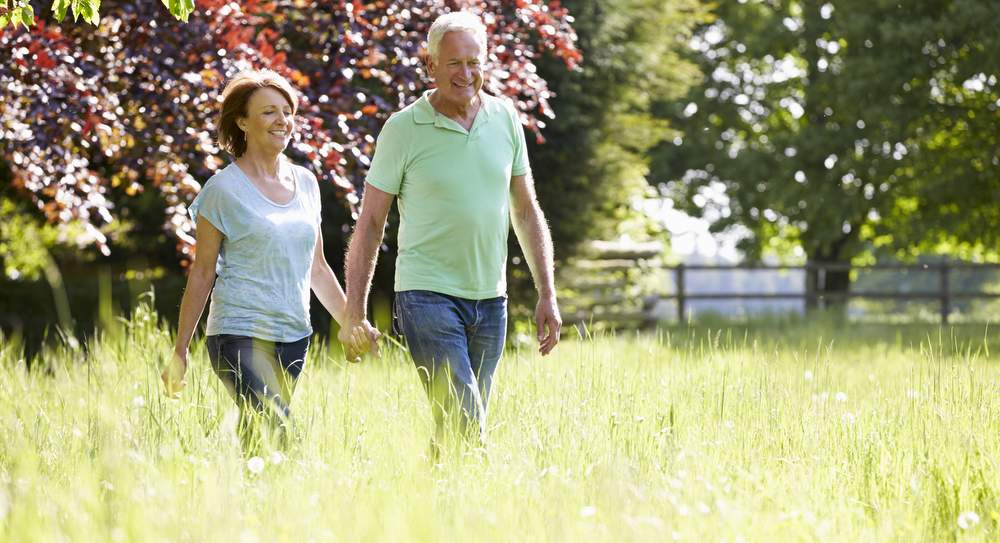 30 November, 2015
Why Getting Outside is So Good For You
Spending some time outdoors is great for mental and physical health, especially for seniors. It is a good idea to make going outdoors a part of your daily routine. Simply spending just half an hour outdoors each day can greatly improve your overall well-being and state of mind.
Being outdoors brings a whole host of mental and physical health benefits to seniors. The following are just some of these benefits:
Read More
Being Outdoors Increases Your Vitamin D Levels
According to health surveys, a large proportion of Americans have low Vitamin D levels. This is especially so for the senior population. It is a problem that needs to be corrected because Vitamin D is important for fighting inflammation and improving the immune system, both of which are extremely important for seniors. Having an adequate amount of Vitamin D is also essential for bone health, and may also be helpful for a wide range of health problems such as heart attacks and certain kinds of cancer. In addition, higher levels of Vitamin D and natural light have been said to be effective for offsetting depression and boosting overall happiness. So how can this Vitamin D deficit be remedied? The solution is extremely simple. Just getting outdoors and spending about 15 minutes in the sun daily can help your body to get its recommended daily amount of Vitamin D.Spending Time In Green Spaces Has Been Linked to an Improved Immunity System
Somewhat similar to improved health due to increased levels of Vitamin D, spending time in the outdoors has also been directly linked to an improved immunity system. According to a study at Tokyo’s Nippon Medical School, women who spent six hours in the woods over a time span of two days showed an increase in virus- and tumor- fighting white blood cells subsequently. This boost even lasted for a minimum of seven days. Hence, seniors should try to spend more time outdoors in order to reap these fantastic health benefits.Being Outdoors is Great for Improving Your Mood
Research has shown that spending some time outdoors can help to reduce feelings of anxiety and depression. Specifically, a study by the University of Michigan has found that group nature walks are linked to enhanced mental health and positivity, and significantly lower levels of depression and stress. A study by Glasgow University also showed that people who walked, biked, or ran in nature had a lower risk of poor mental health than people who choose to work out indoors. This is especially helpful for seniors, who commonly suffer from anxiety and depression problems. As such, they should try to regularly spend time in green spaces such as parks, where they will feel more relaxed and hence improve their overall happiness.Spending Time Outdoors Can Energize You
According to a 2010 study by the University of Rochester, spending time outdoors makes people ‘feel more alive’. It seems to bring seniors an increased sense of vitality and energy, which in turn is helpful or boosting resiliency to physical illnesses. Richard Ryan, a professor of psychology at the University of Rochester, has suggested that connecting with nature is an even better way to combat feeling depleted than reaching for a cup of coffee.Being Outdoors Helps You Achieve a More Restful Sleep
When you spend more time outdoors, you tend to spend less time in artificial light. Numerous studies have shown that people who spend all day in artificial light tend to have trouble falling and staying asleep at night. On the other hand, if you spend a little time in natural sunlight each day, you will have a well-regulated internal body clock. This allows you to have a more restful sleep each night.The outdoors can improve your attention levels
According to a study published in the Psychological Science academic journal, interactions with nature allows the brain to have a break from everyday over-stimulation. This in turn results in a restorative effect on one’s attention levels, bringing improved focus and mental health. So why not consider a trip to the countryside for a short getaway?The outdoors helps you to recover from injury and illness more quickly
Some studies have suggested that nature helps a person to recover from injury and illness more quickly. For instance, a 2005 study by the University of Pittsburgh found that spinal surgery patients who had greater exposure to natural light tended to take fewer pain medications and experienced less stress than patients who did not. Another study found that patients in rooms with nature views went home sooner than patients in rooms that had more urban views. This benefit is especially helpful for seniors, who tend to take a longer time than most to recover from illnesses. Also, the longer a senior stays ill or injured, the more dangerous complications tend to develop. As such, it is ideal for seniors to make full use of this health benefit to ensure that they recover from any injury or illness in the fastest time possible. References https://www.brookdale.com/regional_posts/getting-san-marcos-seniors-can-benefits-great-outdoors/ https://www.brookdale.com/regional_posts/three-benefits-great-outdoors/ http://www.nursecore.com/2013/05/the-benefits-of-outdoor-activities-for-elderly-patients/ http://familyfirsthomecare.com/senior-care-services-new-jersey/the-benefits-of-the-outdoors-for-a-senior-citizen/ http://news.health.com/2014/09/29/health-benefits-of-nature/ http://easton.wickedlocal.com/article/20140708/NEWS/140707727 23 November, 2015
How to Have a Healthy Thanksgiving
With Thanksgiving just around the corner, everyone is busy coming up with a menu for the big feast. Thanksgiving is famous for being all about overindulgence and eating, but it can be a stressful experience for those who need to be careful about what they eat, such as seniors and diabetics, or even just for individuals who are highly health conscious, since Thanksgiving meals tend to be rather high in unhealthy substances such as sodium, sugar and fat.
Of course, it is not a good solution to completely skip the festivities just because you are afraid of weight gain or if you are worried about there not being anything that you are able to eat. Believe it or not, it is actually possible for you to enjoy the holiday and stay healthy at the same time. Here are some simple but effective tips for you to enjoy a healthy thanksgiving.
Read More
Making Healthier Food Choices
Watch your portions
If you can, try to limit yourself to just one plate. This helps to prevent over-stuffing yourself. Sample small portions of each dish, and avoid going back for seconds if you can. In the case that you are tempted to return for seconds, wait for about 20 minutes to half an hour first. This is because it takes a while to feel full, and after waiting for about 20 minutes you may find that you no longer want to go for seconds.Don’t gobble down your food
Since it takes a while for you to feel full, try to eat slowly. If you gobble all your food down, you probably won’t feel satiated even after you have cleared your plate. This increases your likelihood of going back for seconds even though you have in fact already eaten a lot.Have breakfast in the morning
Some may think that it is a good idea to skip breakfast in the morning in order to save up calories for the big feast. This is a common misconception. By skipping your morning meal, you will be ravenous by the time the Thanksgiving feast comes around, and you are likely to end up overeating. To avoid this, you should have a small breakfast so that you will have more control over your appetite. Including some protein and fiber in your breakfast will also help to take the edge of your appetite.Stay properly hydrated
Ensure that you drink adequate water throughout the day. Not being properly hydrated will result in thirst, which is often mistaken as hunger pangs. This will cause you to overeat as well.Make healthy substitutions
Thanksgiving dishes tend to be richer and more filling than your everyday fare, but here are some healthy substitutions and choices you can make in order to have a healthier Thanksgiving meal. These are especially ideal for seniors and diabetic, and for any individuals who need to watch their diet.- Instead of eating the dark meat with skin, opt for the white meat without the skin. When you make this substitution, the same 6oz portion of turkey can have a difference of 190 calories and 17g of fat.
- Use fat-free chicken broth to baste the turkey, and in your gravy.
- Don’t add the marshmallows on your sweet potatoes. You can choose to add other spices such as cinnamon and nutmeg to keep things flavorful. This helps to reduce your caloric intake by about 100 calories.
- Skip the pecan pie for dessert. Instead, you can go for healthier dessert options such as a pumpkin pie. This cuts more than 100 calories from your Thanksgiving meal.
- Use fruit purees instead of oil in your baked goods.
- Try using plain yogurt or fat-free sour cream when making your creamy dips, mashed potatoes, or casseroles.
- Make your own cranberries, instead of going for the jellied cranberry sauce. This saves you more than 100 calories.
Healthy Thanksgiving activities
Aside from making healthier food choices, you can also choose to engage in some healthy Thanksgiving activities in order to neutralize the effects of the rich and calorie-dense meal.Socialize during the meal
Instead of focusing on the food, engage in conversation with your friends and family. After all, you can’t talk and eat at the same time!Volunteer to help clean up
Instead of spending your time finishing up the leftovers or going back for seconds or thirds, why not volunteer to help your host clean up? This not only helps to take your attention away from the food, but the physical act of cleaning up itself will also help you to burn some calories. Not to mention, your host will definitely appreciate the gesture.Plan a post-meal walk
After enjoying your scrumptious meal, go for a post-meal walk together. A brisk walk will help you to burn some calories. It is also a great opportunity to get some fresh air and to bond with your friends and family.Plan to work out the next morning
Most people will feel bloated the lethargic the day after Thanksgiving. Instead of lazing around the house, plan a work out. The knowledge that you have committed to burn off the extra calories the day after allows you to feel less guilty when indulging during your Thanksgiving meal. What’s more, knowing that you have an early-morning workout the next morning might keep you from reaching for that additional glass of wine! If you are worried that you will not have the discipline to keep to your morning workout, schedule a fitness date with a friend for that morning. You can then keep each other accountable, and you won’t be able to bail! References http://www.acefitness.org/acefit/fitness-programs-article/3303/ACEFit-workout-advice-and-exercise-tips/ http://www.health.com/health/gallery/0,,20545918,00.html http://www.webmd.com/diet/10-tips-for-a-thinner-thanksgiving http://greatist.com/health/fit-healthy-thanksgiving-tips http://www.eatingwell.com/healthy_cooking/healthy_cooking_101/shopping_cooking_guides/healthy_thanksgiving_guide http://www.huffingtonpost.com/news/healthy-thanksgiving-tips/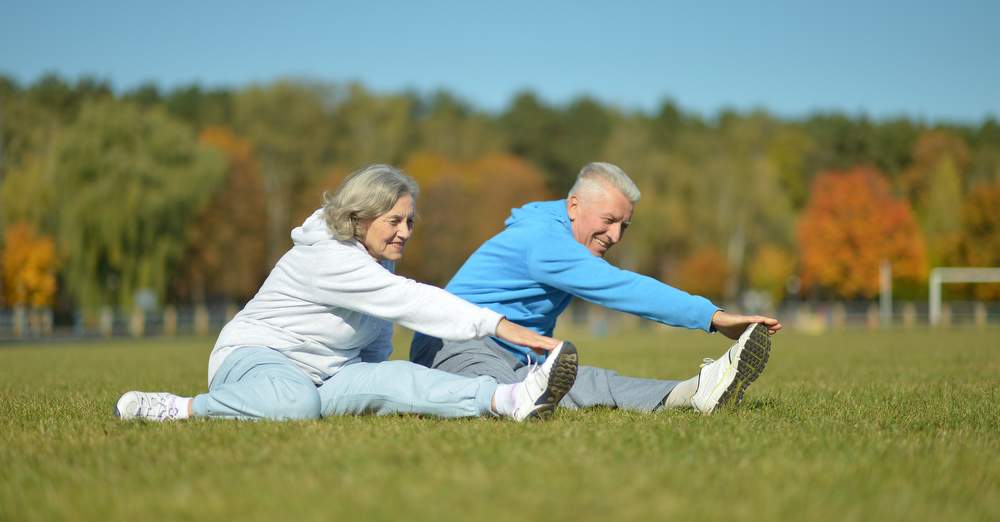 18 November, 2015
10 Easy and Natural Exercises to Help Keep Your Brain in Shape
One of the most common myths about aging is that memory loss and impaired brain function is inherent in the process. While aging is inevitable, cognitive decline is not and there are many simple steps seniors and older individuals can take to keep their brains in tip-top shape for years to come. By adopting these simple exercises and habits, it’s easy to keep your brain sharp and alert at any age.
Read More
1) Journaling
Did you know that something as simple as journaling can help keep your brain sharp? Since writing involves carrying out a physical action to form letters and make meaning, the simple act of hand-writing something has been shown to sharpen mental function, activating and honing the parts of our brains that are responsible for memory and language formation. This is not true for typing on a keyboard, however, since the act of pressing a key doesn’t trigger the same brain activity. In order to get all the brain benefits writing has to offer, try to make it a daily practice. You don’t have to spend hours writing, either – a simple 15 or 20 minutes of jotting down your thoughts every morning is more than enough to trigger enhanced mental function and keep your brain sharp.2) Take short naps
In addition to being good for your body, a short nap is also fantastic for your brain. According to a study conducted by Rosalind Cartwright ad Dr. Alon Avidan, chairmen of the psychology department at Rush University and director of the sleep disorders program at UCLA, respectively, a power nap of 15-20 minutes each day can improve memory and overall cognitive ability. Be careful to keep your naps short, though, so that you don’t fall into a deep sleep and risk throwing off your circadian rhythms for the following night’s sleep.3) Stay hydrated
The human brain is roughly 85% comprised of water and you can bet that if you get dehydrated, it’s going to affect your brain function first and foremost. With that in mind, drinking plenty of water (at least 8-10 glasses a day, and more for seniors who take diuretics) is a great way to stay mentally sharp and keep the brain functioning well at every stage of life. Staying hydrated doesn’t just mean water, though. According to one study, drinking plenty of fruit and vegetable juice can protect against Alzheimer’s disease, so if you want to reduce the risk of cognitive decline it’s wise to supplement your water intake with plenty of high-quality juices.4) Play music
Most people know that learning and practicing a musical instrument enhances overall brain function but few people know that learning to play an instrument is one of the best ways to create new neural pathways and to enhance the body’s dopamine levels, both of which lead to better moods, decreased depressive symptoms and enhanced mental function.5) Shake up your routine
Switching up your daily routine is a little bit like alternating your physical workouts. When you change what you do at the gym everyday, your body has to work more efficiently and stay on its toes, which creates better physical function and produces better fitness results. The same thing goes for the brain – by switching up your daily routine, you keep your brain alert and functioning at a high level. You don’t need to turn your days on their heads to do this effectively, either. By simply making small changes to your routine a few times a week, like showering in the evening rather than the morning or checking your emails at a different time, you can produce new brain connections and feel more alert and focused throughout the day. While they may seem small, simple changes to your daily routine can be surprisingly effective at encouraging your brain to stay sharp and active.6) Get enough sleep
Getting enough sleep is a lot like getting enough water – it’s absolutely imperative to your brain’s overall function. During deep sleep, the brain solidifies and stores memories, which means that getting enough sleep is absolutely imperative to fending off memory loss and normal cognitive decline. Poor or inadequate sleep leads to poor memory and learning and can contribute to new or worsening dementia-like symptoms. Additionally, not getting enough sleep can make you feel sluggish, sad, forgetful or confused, which makes it tough to execute your daily tasks effectively. To reap all the benefits of a great night’s sleep, shoot to get at least 7-9 hours per night.7) Get enough aerobic exercise
Some scientists believe that regular aerobic exercise helps improve memory. This means that activities like jogging, brisk walking, or swimming are some of the best ways to keep your brain healthy and functioning well. To take advantage of everything exercise has to offer, aim to squeeze in at least 30 minutes of mild to moderate activity every other day. This will help keep your brain sharp, improve your thinking skills, and help keep your body limber and healthy.8) Eat a varied diet
You are what you eat and it’s impossible for the body to function well without adequate nutrition. With this in mind, it’s important to eat a low glycemic diet that’s high in fiber and good fats and proteins. This creates a steady digestive process and provides the brain with a reliable, adequate stream of energy on which to function, thereby optimizing mental function and creating a sharper and more alert mindset all day.9) Enjoy moderate caffeine intake
While the medical wisdom surrounding caffeine intake has always been tumultuous, more evidence is stating that mild caffeine intake may protect the brain from cognitive decline. According to current science, drinking between 2-4 cups of coffee or caffeinated tea each day can help protect you from cognitive decline while also providing an important boost of antioxidants that help protect your body from harmful free radicals.10) De-stress
Stress is very damaging for the entire body – including the brain. Because stress floods the brain with harmful chemicals, it can actually interrupt the formation of new memories. With this in mind, it’s important to limit sources of stress wherever possible. Practicing a calming activity like yoga or tai chi can be a great way to do this, as can a daily walk or spending time with friends. While it may not seem like an obvious danger to your brain, stress can impair mental function more than many people think. While aging is inevitable, getting mentally dull doesn’t have to be. With these simple exercises, you can keep your brain sharp and ensure high-class mental function for many years to come.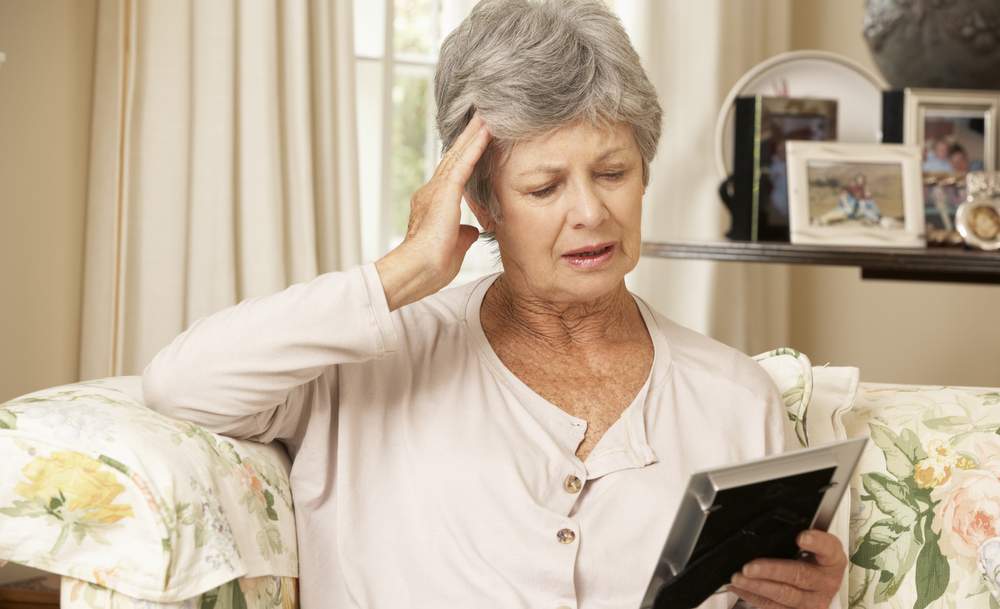 11 November, 2015
Telling The Difference Between Normal Forgetfulness and Dementia in Seniors
As we age, it’s not uncommon for us to experience so-called “senior moments” – moments of temporary forgetfulness or absent-mindedness. In some cases, this is a normal side effect of aging and, in others, it’s a symptom of the beginnings of dementia. Many people, however, aren’t exactly sure how to tell the difference.
In some cases, dementia can begin to crop up as early as the 40s or 50s and in some cases it appears much later in life. Often, people wonder if forgetting where they placed their car keys or if they already returned that important call is a symptom they should be concerned about. While some symptoms may be dangerous, some instances of forgetfulness are simply the result of busy lives and too little “me time.”
So, how do you tell the difference between early signs of dementia and normal age-induced forgetfulness?
Read on to learn more.
Read More
Signs it’s just Forgetfulness
If the following things apply to you or a loved one, it’s likely that the scatterbrained behavior is the result of normal aging:- You remember what you forgot later. If you forgot where you put your keys or were trying to remember the name of the street your daughter lives on but couldn’t, don’t worry. As long as you remember the information later (be it 5 minutes or two hours later) you’re probably fine. The ability to eventually recall information differentiates age-induced forgetfulness from dementia, which renders people unable to remember misplaced information at all.
- You can be reminded of forgotten information. Have you ever lost your train of thought during a conversation only to be reminded of what you were saying by a friend? This is an example of “normal” or age-induced forgetfulness. All people get forgetful at some point, but when simple reminders from friends or family can help you pick up where you left off, it’s likely that you’re simply experiencing normal forgetfulness.
- Tools help you remember. If you forget to take your medication unless you set a cell phone reminder or write yourself a note, the forgetfulness is likely nothing to worry about. People who use post-it notes or electronic reminders to trigger certain behaviors are likely experiencing “normal” forgetfulness. On the other hand, people who don’t remember what their reminders are there for may be displaying symptoms of dementia.
- Forgetting things occasionally. Did you just meet someone new and you’re having a tough time remembering their name? After you’ve been reminded once or twice, the information should be easier for you to retrieve. If it’s not, the forgetfulness may be a symptom of dementia. When people repeatedly forget the same thing despite being reminded of it time and time again, it’s likely that they are suffering from the early stages of dementia.
- Forgetfulness is associated with being busy. If you forgot to return a phone call or make your way to a meeting because you were having a busy day, it’s probably normal forgetfulness. When we’re excessively busy, we only have room for so much information in our minds and, naturally, some things get pushed out. If you’re usually on top of things but tend to get forgetful when you’ve got too many balls in the air, fear not. This is probably normal forgetfulness. This is especially true if you remember what you were supposed to be doing later.
- Being able to execute self-care. If you had a crazy day and forgot five things but can still settle into a nice bath or feed yourself well at the end of the day, you’re probably experiencing normal forgetfulness. Very poor hygiene or missing meals, on the other hand, is a sign of dementia and a warning sign for Alzheimer’s.
Signs of Dementia
Forgetfulness that is related to dementia is very different from “normal” forgetfulness and can be characterized by the following symptoms:- Difficulty with simple tasks. If you or a loved one has a hard time remembering to pay bills, pick up spouses or children or carry out normal hygiene procedures like brushing teeth and bathing, it’s likely that this forgetfulness is a sign of dementia. This is also true for people who lose weight due to forgetting to eat or for people who gain weight because they eat many meals and forget about previous ones.
- Inability to remember previous memory loss episodes. Forgetting the name of the street you live on and then remembering that you’ve forgotten is one thing. Forgetting previous incidents where memory loss has been a problem, however, is an entirely different situation. If you notice that a friend or loved one is having difficulty remembering times when memory loss has been a problem, it’s likely that this is a sign of dementia.
- Difficulty in familiar settings. While it’s normal to get lost in new places, it’s not normal to get lost on your way home. If you notice that a friend or loved one is forgetting how to get home or to the store or cannot remember which room is the bedroom or which car belongs to him or her, these are signs of dementia.
- Frequently forgetting words. While it’s normal to grapple for the right word, it’s not normal to forget words altogether. If you notice that a friend or loved one cannot remember simple words, slurs words or forgets important information like a loved one’s name or birthday, it’s time to seek help. This is also true if a loved one garbles information, repeats the same words or phrases multiple times in a conversation or tells the same story over and over.
- Poor judgment. If forgetfulness has reached the level where the individual is making forgetful judgments that place health or safety at risk, like going out in the winter without a jacket or leaving the stove or gas on at home, there’s a high possibility that you’re dealing with dementia-like symptoms.
- Difficulty making decisions. If a person you love is having a hard time making simple decisions like what to eat or where to go or if they become frustrated over simple issues, it’s likely that this is dementia-related forgetfulness. Additionally, if a person you love seems to have “Forgotten” how to act in social situations or acts out in dangerous or inappropriate ways, it’s likely that these are signs of dementia.
What to do When Signs of Dementia Appear
If you’ve noticed that a loved one seems to be displaying signs of dementia, it’s important to enlist the help of a doctor. When memory loss becomes frequent or severe, it can place a person at serious risk of injury or death. A doctor will assess the patient’s memory history and any present risk factors, such as family history of dementia and medications. Once a diagnosis has been made, the doctor will treat the person for memory loss symptoms and may be able to recommend some care measures that will help alleviate the symptoms of memory loss and make life safer and more enjoyable. Additionally, early diagnosis is important to get ahead of memory loss symptoms and ensure that proper care is received. Although memory loss is a frightening prospect, there are many ways to determine the difference between normal forgetfulness and dangerous Alzheimer’s symptoms. If you notice any of the dementia symptoms in yourself or a loved one, seek medical care immediately in order to produce a positive outcome.