


Blog
Access valuable information for care that's more informed and compassionate.

 16 January, 2017
Having a Purpose in Life May Help Shield You from Dementia
As it stands today, the number of adults suffering from Alzheimer’s disease is projected to double by 2020.
The rise in Alzheimer’s and cognitive decline has led some health professionals to call the current prevalence of dementia the “Alzheimer’s epidemic.” In light of this, doctors, healthcare professionals, and individuals around the world have been working tirelessly for years to develop approaches that could slow or prevent the development of Alzheimer’s.
One of the few things that has shown promise, however, is far less scientific than you may think.
According to recent studies, having a sense of purpose or meaning in life has the potential to slow the effects of dementia and cognitive decline.
Read on to learn more.
Read More
The Rush University Medical Center Study
One of the leading studies on this topic came from Chicago’s Rush University Medical Center. Here, scientists have been conducting a long-term study on seniors (more than 1,500 of them) since 1997. For the purposes of this study, all seniors were not affected by dementia at the time the research began. Throughout the course of the study, each participating senior was given a yearly check-up that assessed their physical, mental, and cognitive health and well-being. In addition, each senior was asked questions designed to measure his or her sense of purpose and meaning in life. Each question was graded on a scale of 1-5. The people who scored the highest points on these questions were ranked as having a strong sense of purpose in life, while the people with low scores had a weak sense of purpose or no sense of purpose at all. Over the study’s active years, 246 of the study’s more than 1,500 participants died, and their brains were evaluated for signs of Alzheimer’s and cognitive decline – specifically the plaques and tangles that can so often create memory loss and cognitive difficulties. Of the participants who died during the course of the study, the ones with a high sense of purpose were as likely to have evidence of physical brain changes as the participants with a low sense of purpose, although they scored much higher on tests that measured things like thinking and memory. As a result, the study concluded that people who have a strong sense of purpose in life are generally better protected from the effects of Alzheimer’s than their purpose-less counterparts. Keep in mind that, while developing a sense of purpose will not cure or guarantee the avoidance of Alzheimer’s, this research goes to show that the positive brain effects associated with having a sense of meaning in life may go a long way toward protecting the brain from memory loss and cognitive decline.Why a Sense of Purpose Helps to Slow Alzheimer’s
While the studies suggesting that a sense of meaning in life can slow Alzheimer’s are promising, few people understand how, exactly, a sense of purpose does this. Here are a few of the current theories:A sense of purpose improves “neural reserve.”
Neural reserve is a term used to refer to the brain’s resistance to damage. When a human brain has a high level of neural reserve through connections and activity, it is less susceptible to damage than a brain with lower levels of connections and activity. Because the brains of people with a pronounced sense of purpose have a high level of neural reserve, they’re less vulnerable to the effects of Alzheimer’s than brains with lower neural reserves.Having a sense of purposes improves the brain’s processing power.
Scientists have known for years that learning new things and maintaining social relationships is good for brain health, and a large part of the benefit of having a sense of purpose could just be that it encourages both of these things. If a senior feels as if volunteering in a homeless center is his or her sense of purpose, for example, that senior is more likely to take courses, meet new people, attend events, and interact socially than a house-bound senior with no sense of purpose.The brain performs best when it is put to work.
According to an article published in The Atlantic on the topic, the human brain works the best when it is engaged in meaningful and exciting work. When seniors remain interested in the stimulus and experiences around them, they keep their minds active, curious, and flexible. This, in turn, creates a neural environment in which cognitive decline and dementia are less likely to thrive.How Seniors Can Develop a Sense of Purpose: 4 Tips
While some seniors have an intrinsic sense of purpose, others must work to develop it. When you take into account the neuroprotective benefits of doing so, however, it immediately becomes clear that it’s well worth the effort. Here are several tips for seniors who want to develop their sense of purpose to the fullest:1. Experiment with volunteering
Volunteering is a great way to build and maintain a sense of purpose, and it’s something that virtually all seniors can do. Most organizations are hungry for volunteers, and the possibilities are virtually endless. Try reading to children at a local library or serving meals in a local soup kitchen. Donate your time to meals on wheels to help other seniors or consider working in advocacy or outreach for a women and children’s shelter. The level of volunteering you choose to undertake will depend largely on your energy, spare time, and interests, but if you find something you truly love you may find that volunteering quickly gives you the sense of purpose you’ve been looking for.2. Get involved with a friend’s organization
If a friend or family member has something they feel passionately about, consider looking for ways to get involved. In many ways, this kills two birds with one stone. In addition to helping you keep your social life active and dynamic, it also exposes you to new causes you may or may not feel passionate about.3. Refer back to what you wanted to do as a child
As children, we all have great loves we forget as adults. If you’re struggling to find a purpose in life, try going back to these childhood passions. Maybe you wanted to be an artist or work with animals. Maybe you wanted to be an astronaut or travel to exotic places. Whatever your childhood passions may have been, they can be useful tools for helping you to find your passion and purpose as an adult.4. Keep exploring
Sometimes, finding your purpose in life is harder than it sounds, and you may have to look for quite a while to find something you feel excited about. Don’t let this dissuade you. It’s well worth the time and effort it takes to find something you love, and doing so can go a long way toward protecting your brain and enriching your life throughout your golden years.The Case for a Sense of Purpose
A sense of purpose may sound like a lofty idea, but it’s actually a hugely important factor in living a healthy, dementia-free life. Because a passion or a sense of purpose keeps seniors alert, engaged, and curious, it can help to protect the brain from the ravaging effects of Alzheimer’s Disease. 9 January, 2017
10 Creative Ways to Pay for in-Home Care
In-home care: while it’s one of the most helpful types of care available, it can also be a financial stressor. More than a few people have had the experience of waking suddenly in the middle of the night, panicked about how they’ll pay for their in-home care and what will happen if they can’t manage it.
For people who are injured, ill, or aging, and can’t manage all of the tasks of daily living on their own anymore, in-home care can be a lifesaver. In addition to taking the burden of caring for an aging loved one off friends and family members, in-home care also serves to enhance the quality of life and provide critical medical assistance in the place where a person is most comfortable – his or her home.
If you’re starting to think about how you’ll pay for in-home care, or you’re already struggling to make ends meet, here are ten creative ideas to cover the cost. Read on.
Read More
First Things First – Is In-Home Care Expensive?
There’s no one-size-fits-all formula for calculating the cost of in-home care. Prices vary widely depending on where you live, what type of care you need, and the skill level of the person you’d like to hire. According to Caring.com, home health aides made an average of $16-$29 hourly in 2011, and home healthcare costs are only rising by an average of 1.15% annually. Depending on your level of need and your financial circumstances, in-home care may be a simple thing to afford. On the other hand, though, it may be a financial stressor, and you may be looking for ways to make it work more easily for your family.10 Creative Ways to Cover the Cost of In-Home Care
Regardless of what your needs may be, these ten simple tips can help you cover the cost of in-home care and get the attention you deserve.1. Get long-term care insurance
Long-term care insurance is insurance that is designed to cover the cost of things like long-term nursing, admittance to an assisted living facility, ongoing medication, and more. While not all long-term care policies cover in-home care, some do, and it’s an avenue that’s well worth exploring. The only negative factor about long-term care is that most policies have a disqualifying age, after which you cannot purchase the insurance. Because of this, you must plan to purchase long-term care insurance while you’re still healthy. This will allow you to take advantage of the policy when you eventually need it to cover in-home care.2. Use annuities to your advantage
Annuities are one thing that few people think of to pay for in-home care, but they can be instrumental in helping make the cost more manageable. A hybrid between a personal investment account and an ongoing insurance plan, annuities represent money that a senior has invested and earns interest for. After the money has matured for a given period, the senior can begin making withdrawals. In addition to helping seniors grow their money, annuities are designed to help cover the costs of living as a senior ages, since they pay a consistent income stream for a set number of years, or until the senior dies. Annuities sums aren’t viewed as assets when a senior applies for Medicaid, and the income earned from them is often enough to cover the cost of in-home care and more.3. Apply for Medicaid and use its benefits to pay for in-home care
Medicaid is a program designed to help low-income seniors cover their health needs. While Medicaid coverage laws vary depending on the state you live in, all Medicaid plans are designed to cover in-home care for at least a short period. In some cases, Medicaid may even cover long-term in-home care, if the person utilizing it would otherwise be in a nursing home.4. Consider applying for a reverse mortgage
While few people know this, reverse mortgages were developed to help seniors stay at home for as long as possible. Here’s how a reverse mortgage works: once a senior has paid a significant amount of equity into his or her home, he or she can start taking some of that equity out, in the form of lump-sum or ongoing payments. While reverse mortgages can be ideal for some seniors, they do have parameters that can rule some people out. Here’s what they require:- The senior must be 62 or older
- The senior must own his or her home, either free-and-clear or with little money left on the loan
- The bank that issues the reverse mortgage appraises the home and determines payment values based on a loved one’s age and payout requirements
5. Look into using veteran’s benefits
If you were an armed forces members, you might be able to use military benefits to cover the cost of your in-home care. The only downside of this approach is that the U.S. Department of Veterans Affairs is notoriously difficult to navigate, and you may find yourself working very hard to get the benefits you’re owed. While you’ll have to contact a representative to understand your individual eligibility, here are the policyholder parameters for veteran’s benefits:- You must have served at least 90 days of active duty
- One of those days must have been during wartime
- You must have been honorably discharged
6. Look over your life insurance policy
If you have life insurance, you may find that it can be used to cover your in-home care. If you don’t have dependents that will rely on the life insurance, consider dipping into your policy and using “accelerated” benefits to cover the cost of your in-home care. Accelerated benefits are features of certain life insurance policies that allow the policy holder to take advantage of the insurance benefits within their policy before death. Ideal for paying for in-home care, these benefits are typically reserved only for those who need ongoing in-home care or have been disabled by chronic conditions. If you have a life insurance policy and no dependents relying on it, consider this option. As a rule, insurance policies will allow holders to pull out between 25%-100% of their death benefit as an accelerated benefit.7. See if Medicare is right for you
While it’s tough to get Medicare coverage to provide for your in-home care, it is possible, and it’s worth evaluating. Medicare is issued when a person leaves a hospital or long-term-care facility. In some cases, those benefits can extend to covering the cost of in-home care as a form of rehabilitative therapy. Keep in mind, though, that these benefits can be limited and may not be right for everyone.8. Pool resources within the family to cover the cost of in-home care
If none of the above options appeal to you, you can consider pooling resources within your family. Things like collective sibling agreements and personal savings can go a long way toward covering the cost of in-home care and are some of the most common options people take when considering how to offset the expense.9. Develop an in-home care savings fund
Many people have savings funds for medical emergencies, vacations, and more, so why not establish one to cover the cost of in-home care. While this takes some planning and dedication, it can be a straightforward and stress-free way to cover the cost of in-home care down the line.10. Sell off assets
For some seniors who don’t have dependents or people relying on inheriting assets, selling assets can be a functional way to get the extra funds required to cover the cost of in-home care. Of course, this approach depends entirely on the senior’s unique circumstances, and won’t be right for everyone.The Case for In-Home Care
For seniors who can no longer care for themselves alone, in-home care can be a wonderful way to enhance quality of life and ensure safety and happiness for years to come. It can be expensive, though, and these ten tips can help offset the cost and make it easier for you and your family members to cover the expenses associated with in-home care.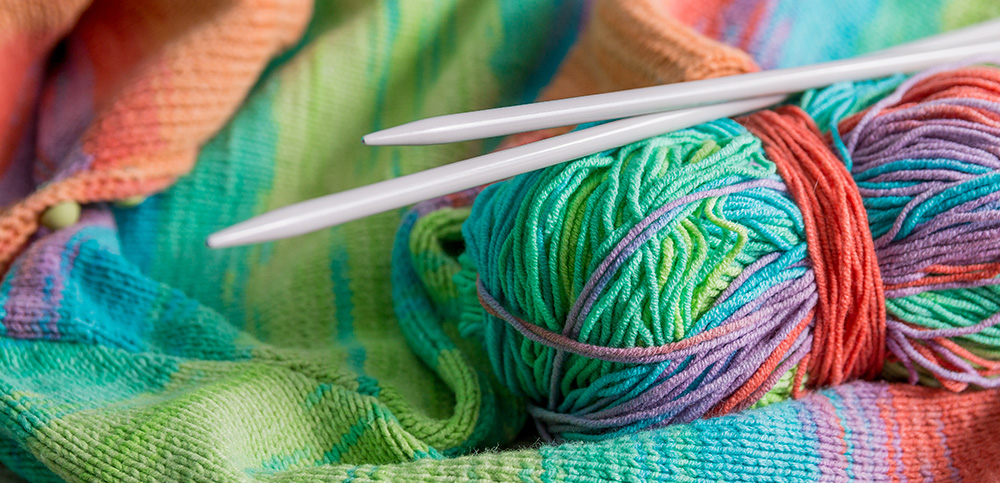 3 January, 2017
10 Ways Knitting can Improve Your Overall Health
So you want to improve your health. What’s your first step? Maybe you get a gym membership or start power walking around the mall on rainy days. Maybe you purchase a few helpful diet books and start trying to incorporate more leafy greens into your meals. Maybe you take up yoga or tai chi. Those are all great efforts, but the answer to good health may be simpler than you think.
According to a recent article published by The New York Times, the simple act of knitting can provide some serious health benefits. And it’s less expensive than a gym membership.
Here’s what you need to know.
Read More
How knitting Can Improve Health and Wellbeing
Not convinced that picking up a pair of knitting needles can help you live longer and be happier? Here are the facts:1. Knitting helps reduce stress
Knitting features a repetitive motion much like those found in yoga. As such, it offers many of the same relaxing benefits. While learning to complete the stitches can be difficult, at first, people who have zoomed past the learning curve typically find that knitting or crocheting can lower the heart rate, decrease the blood pressure, and reduce the amount of cortisol the body dumps into the bloodstream.2. Knitting can boost self-esteem
There’s nothing quite like crafting an item from scratch to help you feel good about yourself. While yoga and meditation both provide some of the same relaxing benefits of knitting, knitting does something that neither of those pastimes does: it provides a tangible payoff in the form of a hat, scarf, or sweater. For people with low self-esteem, seeing these things come together from nothing can be an incredibly rewarding experience, and simply looking at the things they’ve created can help boost confidence and provide a dose of happiness for dedicated knitters near and far.3. Knitting can replace addictive habits
For people struggling to stop smoking or drinking, or to navigate the stress and anxiety caused by death in the family, knitting can be a massive help. Programs like prisons and schools regularly use craft-making activities like knitting to help calm anxious individuals and boost social skills, and people struggling with addiction have routinely found that the repetitive and calming act of knitting can go a long way toward replacing their addictive behavior.4. Knitting may help you control your weight
Thousands of people throughout the country eat out of boredom. Thousands more eat when they’re feeling stressed or lonely. Over time, these emotional eating habits can lead to severe weight gain, which has an adverse impact on the quality and enjoyment of life. Fortunately, craftwork of any type (including knitting) can help control these urges. By putting the mind into something positive and constructive, like making something, it’s easier to avoid emotional food cravings and focus on eating only when you’re hungry, rather than when you’re simply stressed or afraid. This is a simple payoff, but it’s one that can work wonders to improve the quality of your life and health.5. Knitting can help keep arthritis in the hands at bay
If you’ve noticed your hands beginning to get arthritis as you age, knitting can help. Because knitting requires small, repetitive movements of the hands, it helps the fingers and joints remain dexterous in the golden years, which can translate into increased daily comfort and fewer arthritis symptoms moving forward.6. Knitting can lessen eating disorders
While this may seem like an outlandish benefit, a study conducted by the University of British Columbia in 2009 found that 38% of women (all of whom suffered from anorexia nervosa) found that knitting helped them manage the problem. What’s more, 74% of participants said that knitting helped them decrease their anxiety and keep their fears at bay. Because of this, knitting is often used in eating disorder treatment programs and can be ideal for people who have struggled with eating disorders in the past.7. Knitting can decrease depression
If you’ve been feeling blue lately, knitting may be just the thing to help you. According to a study conducted by Betsan Corkhill, an England native, wellness coach, and founder of the “therapeutic knitting” site Stitchlinks, 54% of respondents in an informal survey said that knitting helped them feel happy or worked to alleviate their depression. This may be due to the relaxing benefits of knitting, or to the fact that focusing on something positive makes it much harder to focus on negative, time-consuming thoughts.8. Knitting can help manage chronic pain
Because knitting requires all of a person’s focus, it can decrease chronic pain and help the brain re-focus on the positive, thus reducing a person’s experience of pain. Because of this, and because it is a low-intensity activity, it can be ideal for individuals who have cancer or are coping with painful, chronic conditions.9. Knitting can stave off the effects of cognitive decline
According to a 2011 study conducted by the Mayo Clinic, participating in cognitive activities like knitting and crocheting can help prevent or decrease the effects of cognitive decline. In the study, 1,321 people between the ages of 70 and 89 were evaluated and interviewed about the cognitive activities they participated in. The study determined that the seniors who engaged in craft making activities had lower rates of cognitive impairment and memory loss. With this in mind, it’s clear that something as simple as knitting can go a long way toward improving mental health and staving off cognitive decline with age.10. Knitting can help you be a part of a community
Multiple studies have shown that maintaining social relationships is critical as we age, and knitting is a great access point for doing this. By joining a knitting group, attending craft shows, and more, knitters can show off their wares and make new friends along the way.The Case for Knitting
Simple, low-impact, and easy for virtually everyone to enjoy, knitting is a fantastic way for people to manage pain, feel happier, and stay active as they age. Plus, it’s an excellent way to produce some truly unique wearable items for yourself and your family! 28 December, 2016
7 Ways to Reduce Your Fear and Anxiety Now
You know the feeling: you wake up in the middle of the night with a knot in your chest. You’re unbearably anxious, but about what? Maybe it hits you while you’re driving, watching traffic merge onto the freeway or negotiating uncontrolled intersections. Maybe it comes when you meet new people or enter new experiences.
Today, anxiety is one of the most common disorders to affect adults in the U.S. Approximately 40 million people age 18 and older suffer from anxiety disorders right now.
Fortunately, anxiety and fear are both highly treatable, and people who suffer from either can often find relief through a mixture of at-home and clinical remedies. While only about 1/3 of the people currently suffering from anxiety get treatment, individuals who want to reduce their fear and anxiety can learn some helpful tips in this article.
Read More
What is Anxiety?
Anxiety is a feeling of intense nervousness or unease. It commonly affects people when the outcome of something is uncertain, or the environment is unfamiliar. While everyone experiences worry, anxiety is a different sensation and may be accompanied by physical symptoms, such as gastrointestinal upset, tension in the chest, a loss of appetite, nausea, or even vomiting.7 Sure-Fire Ways to Reduce Anxiety and Fear Today
If you suffer from anxiety or fear in your daily life, follow these seven tips to begin reducing it:1. Practice breathing exercises
Breathing is a powerful tool that can have a massive effect on the brain’s “fight or flight” response. In fact, taking long, slow breaths can help decrease stress, stimulate the vagus nerve (which mediates the “fight or flight” response in the nervous system and lowers heart rate), and lower blood pressure and heart rate. The next time you’re feeling anxious, focus on your breathing. Take several long, slow exhales (of at least 3 seconds in length), and then move into long, slow exhales which take at least seven seconds to complete. After about four or five of these, you’ll notice your anxiety beginning to ebb, and your heart rate and body systems returning to normal.2. Practice visualization
Part of the reason that anxiety is so powerful is that it drags the brain into a loop. Instead of focusing on the good of a situation or experience, people who suffer from anxiety get caught in a loop of negative and frightening thinking. Fortunately, you can pull yourself out of this by practicing visualization. Visualization is simple. When your head starts to spin, and you get fearful, practice imagining the situation in your mind. Instead of focusing on what will be frightening or painful about it, visualize it going well, and imagine yourself navigating it calmly. While this will help calm your mind in the short-term, it can also contribute to improving the outcome of the situation in real life by allowing you to prepare for it in advance.3. Activate the thinking side of your brain
Anxiety and fear are emotional responses, and it’s easy to short-circuit them by asking the thinking (rather than the emotional) side of our brains to take over. Here are a few simple ways to do this:- The next time you’re anxious, place it on a scale from 1-10, with ten being incredibly fearful and one being relaxed. This does two things: it forces you to take an aerial view of your anxiety by putting a number on it, and it allows you to begin thinking about your fear in a rational way, which in turn allows you to combat it.
- Ask yourself some simple questions. Questions like “Am I making this worse than it is?” “Is this fear grounded in reality?” “Am I overreacting?” “What can I do to fix this?” will go a long way toward allowing you to get a grip on your anxiety and look at it from a rational standpoint.
- Ask yourself if you can worry your way to a solution. Some problems can be thought through to the point of a solution. In other situations, though, this will just drive you crazy. If you can’t “worry yourself to an answer,” let it go and try your best to take proactive steps to combat it down the road.
4. Practice being AWARE
AWARE is an acronym people who treat anxiety use to describe the process of moving through the fear and dread. Here’s what it stands for:- A: Accept the anxiety and understand that fighting it will only make it worse
- W: Watch the anxiety and notice how it ebbs and flows, rises and falls. Don’t get attached to holding onto it or “making” it go away.
- A: Act like you normally would. If you panic, your mind will go right along with you. If you stay calm and act like nothing is wrong, though, you mitigate your panic response and enhance your reasoning capabilities.
- R: Repeat the “A-W-A” steps as frequently as you need to get the feeling under control.
- E: Expect that your anxiety will melt away soon.
5. Meditate
Meditation is a tool for calming the mind and decreasing attachment to our emotional selves. Long since used by leaders around the world, a regular meditative practice can go a long way toward decreasing your anxiety and making it easier to function daily. Fortunately, meditation is also more accessible than ever before. Apps like Headspace make it easy to meditate for just a few moments every day, and you don’t need to dedicate a huge brick of time to the practice. While there are dozens of paid meditation programs you can participate in, it’s easy to access meditation without spending a dime. Simply find a quiet space, sit in a comfortable position, and focus on your breath for ten minutes. While it takes a while to get comfortable with the act of meditation, you’ll notice effects on your fear and anxiety in a short period.6. Get enough sleep
Everything looks worse when you’re tired, and the simple act of getting enough sleep can be instrumental in helping you combat your fear and anxiety. With this in mind, shoot for 7-8 hours of sleep each night and take naps throughout the daytime as you need it.7. Talk it out
Talk therapy, or even a coffee with a loved friend, can be amazingly helpful for people suffering from fear and anxiety. The simple act of voicing your worries and concerns can help destabilize them and help you see a clear path forward. Plus, talking to a therapist can help you learn more tools to combat fear and anxiety, and see to it that they have less of an impact on your life going forward.A Happier Life Made Simple
Fear and anxiety can be crippling, and people who suffer from them often feel as if they’ve been robbed of their enjoyment, happiness, and ease. Fortunately, these seven tips can help you begin the battle with fear and anxiety, and live a happier life starting today.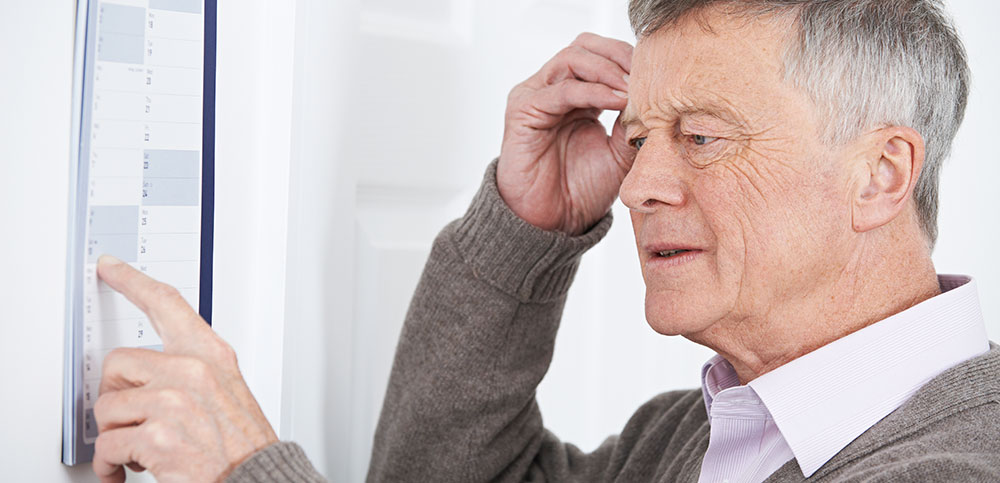 14 December, 2016
6 Proven Methods to Improve Your Memory as You Age
Memory loss: it’s one of the things people fear the most about aging. While memory loss comes in a variety of shapes and forms, many people imagine themselves unable to remember a loved one’s phone number or forgetting special days.
While these things are a reality for some seniors, memory loss doesn’t have to be an essential component of aging. In fact, people who take proactive steps to improve their memories with age can enjoy a lifetime of mental sharpness and clarity. Read on.
Read More
What is Memory Loss?
Memory loss is forgetfulness that exceeds normal levels. For example, a young person may forget the name of a performer for a moment, and then recall it in conversation several minutes later. This is not memory loss. Instead, it’s a standard spell of forgetfulness. If a senior begins to forget things like whether the stove is turned on, where he or she lives, or whether a visitor is a daughter or a neighbor, this is considered memory loss. According to Medline Plus, memory loss is caused by normal aging or by injuries to the brain, including brain tumors, concussions or head trauma, brain infections, or stroke. While most people experience bouts of forgetfulness throughout their lives, memory loss is a problem that is most prevalent in seniors. According to a survey conducted by the Centers for Disease Control and Prevention, 1 out of every eight seniors experiences memory loss as they age. Surprisingly, this memory loss affects young seniors the most prominently, with 44.7% of older persons between ages 60-64 reporting memory loss. While some level of memory loss is normal throughout our lives, excessive or ongoing memory loss can be signs of Alzheimer’s or dementia. As such, it is important for people who want to keep their minds healthy as they age to take proactive steps to preventing memory loss.6 Smart Ways to Improve Your Memory as You Get Older
If you’d like to stave off the effects of memory loss, follow these six tips:1. Keep learning new things
Learning new things is by far one of the best actions you can take to protect your memory and keep your mind sharp. Harvard Health Publications reports that higher levels of education are associated with improved mental functionality in old age. This may be because of several reasons. On the one hand, learning new things keeps people in the habit of using their minds, and may translate into higher levels of mental challenge and development with age. On the other hand, learning new things has been shown to help promote neuro-generative activity in the brain, and improve the brain’s ability to make new connections and keep existing connections healthy. Fortunately, learning new things is simple, and you have many options if you’re interested. Pick up a new hobby or audit a class on a platform like edX. Take a dance class at your local community center or learn a new language. You don’t have to do something as drastic as going back to school to learn something new. You simply have to dedicate yourself to using your brain and making lifelong learning the top of your to-do list.2. Don’t buy into the myths about aging and memory loss
The mind-body connection is one that’s often underestimated in our society. When it comes to memory loss, people who believe that aging and memory loss go hand-in-hand may actually experience increased memory loss. In fact, Harvard Health Publications reports that seniors exposed to repeated, negative stereotypes about memory loss and aging do worse on memory tests than their counterparts who avoid the stereotypes. With this in mind, don’t buy into the myth that aging means an automatic loss of memory. Take proactive steps to keep yourself healthy, and don’t believe the hype.3. Engage all your various senses
The mind is a “use it or lose it” thing, and engaging all your senses helps keep each of them stronger. Memory works best when all our senses are engaged, and, because of this, it’s typically recommended that seniors pick up new hobbies that engage the senses. For example, consider cooking. When you make a pizza from scratch, you have the scent of the ingredients, the feel of the dough as you knead it out on the counter, and the sight of bubbling cheese to look forward to. If pizza isn’t your top priority, you’re not limited to cooking. In fact, any tactile hobby, like pottery, will work beautifully.4. Focus your memory to where it’s needed most
The mind takes in thousands of tiny bits of information each day and, with age, this can quickly become overwhelming. Because of this, professionals recommend that seniors learn to economize their brainpower. For example, instead of clogging your head up with the 15 things you need to do next Tuesday, write it down in a planner. By getting it out of your head and onto a sheet of paper, where it’s easy to remember, you free your brainpower up for more important things, like learning new skills, building new relationships, and more.5. Reinforce your memories with repetition
Repetition is a powerful tool for solidifying memories and making short-term information long-term. With this in mind, use repetition in your daily life to boost your memory as you age. When you meet someone new at a gathering, repeat their name to yourself verbally. When you’re learning a new skill, repeat it several times until you feel like you have it down pat. We can’t expect our brains to perform well without the benefit of repetition, and the simple act of repeating something to ourselves can go a long way toward helping us remember it.6. Take care of yourself physically
Good nutrition and adequate hydration make all the difference when it comes to protecting your memory. Simple things like inadequate hydration can have a devastating impact on memory, and studies have found that people who eat brain-boosting foods, such as fish, once each week have a massive 60% lower risk of developing dementia as they age. That said, fortify your diet with plenty of clean, fresh water, foods rich in omega-3s, and healthy fats. Your brain will thank you for it!Healthy Memories Start With Preventative Care
While conditions like Alzheimer’s and dementia do affect some seniors, getting older doesn’t mean your memory must go out the window. With these six tips, it’s easy to take good care of your memory as you age, and enjoy a clear mind and sharp memory throughout your golden years. 5 December, 2016
10 Volunteer Opportunities Guaranteed to Increase Your Happiness This Holiday Season
Bring joy and hapiness to yourself and those less fortunate by volunteering this holiday season
The holidays are a time of giving, and most people find that they feel better about themselves and the world around them when they volunteer to help at local, national, or global organizations. The reason for this is simple: the world is a hard place, and, while we can't reach out and fix the entire thing at once, the most proactive step each of us can take is to do everything in our power to make our corner of it better. In recent years, the number of people who volunteer housebound has risen, climbing to more than 62.6 million adults in 2014. These figures spike during the holidays when people from all walks of life are looking for ways to give back, spread some good cheer, and lend a helping hand to their neighbors and communities. If you’re searching for a volunteer opportunity to participate in this holiday season, here’s our list of the top ten volunteering opportunities:1. Volunteer at a soup kitchen 
Right now, 1 out of every 6 Americans faces hunger, and more than 17 million U.S. households experience “food insecurity” (meaning the household has occasional periods where it is difficult to access enough food for all its family members) each year. These are staggering numbers, and they just go to show how critical the work that soup kitchens and similar community organizations offer is.
This holiday season, one of the easiest and most helpful things you can do is to take an active role in feeding the hungry. Volunteer positions at soup kitchens (which provide free, hot meals for needy families and individuals) are common and straightforward. Plus, since they don’t require heavy lifting or intense physical activity, they’re ideal for older seniors or people with injuries and disabilities.
To find a soup kitchen, community kitchen, or food bank (organizations that work to feed their communities around the holidays and throughout the year) in your area, visit FeedingAmerica.com and enter your location.
2. Donate to a local domestic violence shelter
Every single minute, an average of 20 people (in the U.S. alone) are abused by their intimate partner. This abuse leads to more than 10 million individuals being displaced from their homes annually. In many cases, the victims of abuse turn to domestic violence shelters for legal advocacy, orders of protection, housing, and healing. This holiday season, find one of these organizations in your area and donate time, supplies, or money. In the name of safety, many domestic violence shelters are only open to women and children, and they always need simple supplies. Here are some items you can donate:- Baby formula
- Diapers
- Feminine hygiene products
- Clothing
- Household goods (shelters often furnish women with household supplies when they leave the shelter and move into their own apartments or homes)
- Children’s toys
- Holiday food (turkeys, cookies, etc.)
- Gifts
3. Read to children at a local library
 Reading stories to children is a fun and enjoyable volunteer activity that leaves everyone involved feeling happy and festive - especially when the books are old holiday classics, like The Night Before Christmas.
To find out when your library hosts children’s Storytime, and how you can get involved, contact your local organization for more information.
Reading stories to children is a fun and enjoyable volunteer activity that leaves everyone involved feeling happy and festive - especially when the books are old holiday classics, like The Night Before Christmas.
To find out when your library hosts children’s Storytime, and how you can get involved, contact your local organization for more information.
4. Read to seniors at a senior center
Senior centers are commonly overlooked volunteering destinations, but they need just as much attention as places like soup kitchens and shelters. To give back to your community and help local seniors this holiday, offer to read stories, sing carols, make Christmas ornaments, or more at your local senior center.
Many of the seniors in these places have no remaining family, and a visit from a caring volunteer may be something they look forward to for days.
5. Do food drop-offs for your local food bank
Most local food banks run programs where they deliver critical groceries to people who are house-bound, ill, or needy. This holiday season, volunteer to take over some of these deliveries. In addition to being a critical service, these deliveries also provide essential supplies to vulnerable populations that truly need the help. When you volunteer your time to drop off these donations, and you’ll be rewarded by meeting new people and making new friends.6. Volunteer at a halfway house
Halfway houses are commonly in need of volunteers for the holidays. Simple things, like volunteering to cook meals or work with residents, or just offering to donate supplies are highly appreciated. These small things are wonderful ways to make a difference during the holiday season.7. Donate your time to meals on wheels
Meals on Wheels is an important organization that makes it a mission to deliver warm, healthy meals to seniors who can’t cook for themselves, or leave home very easily. Without an organization like this, these seniors often go hungry or fail to get the nutrition they need from their daily meals. Fortunately, your support can help make a difference. This holiday season, donate directly to Meals on Wheels or visit their website to locate volunteer opportunities in your area.
While this is a simple program, it’s one that can make a significant difference in a senior’s life.
Fortunately, your support can help make a difference. This holiday season, donate directly to Meals on Wheels or visit their website to locate volunteer opportunities in your area.
While this is a simple program, it’s one that can make a significant difference in a senior’s life.
8. Make care packages for overseas soldiers
 Soldiers currently deployed overseas don’t get to spend the holidays with their families, and many of them are missing husbands, wives, parents, and children. This holiday season, one compassionate way to get involved and volunteer your time is to put together care packages for overseas military personnel.
Military.com has a helpful list of things to send people who are deployed, and SupportOurTroops.org has simple directions for assembling and mailing care packages to overseas military.
Soldiers currently deployed overseas don’t get to spend the holidays with their families, and many of them are missing husbands, wives, parents, and children. This holiday season, one compassionate way to get involved and volunteer your time is to put together care packages for overseas military personnel.
Military.com has a helpful list of things to send people who are deployed, and SupportOurTroops.org has simple directions for assembling and mailing care packages to overseas military.
9. Volunteer at your local animal shelter
 We know it’s important for humans to have happy and safe holidays, but what about the animals in our lives? Each year, more than 7.6 million dogs and cats enter shelters in the U.S., and only 2.7 million are adopted. In no-kill shelters, caring for those animals left behind can be expensive and exhausting, and volunteer assistance is always appreciated.
This holiday season, dedicate your time to caring for the animals who can't come home for the holidays. Cleaning pens, cuddling with animals, walking dogs, or attending community events to raise awareness are all fantastic steps. If you can’t volunteer for physical work, consider donating pet food, beds, supplies, or even money to your local shelter.
We know it’s important for humans to have happy and safe holidays, but what about the animals in our lives? Each year, more than 7.6 million dogs and cats enter shelters in the U.S., and only 2.7 million are adopted. In no-kill shelters, caring for those animals left behind can be expensive and exhausting, and volunteer assistance is always appreciated.
This holiday season, dedicate your time to caring for the animals who can't come home for the holidays. Cleaning pens, cuddling with animals, walking dogs, or attending community events to raise awareness are all fantastic steps. If you can’t volunteer for physical work, consider donating pet food, beds, supplies, or even money to your local shelter.
10. Help your neighbors
If you’d like to keep your volunteer efforts as close to home as possible, look for small ways to help your neighbors. Simple things like shoveling your elderly neighbor’s walk, brining a batch of homemade cookies, or singing carols with some people from your area will brighten spirits and help everyone get into the holiday frame of mind.Conclusion
Volunteering for the holiday season is a great way to get into the giving mindset and make a difference in your community. While it can be difficult to locate volunteer opportunities that fit your priorities, these ten opportunities are ideal for most people and can help you do good this holiday season. 29 November, 2016
18 Healthy Habits That Fight the Signs of Aging
Let’s face it: nobody wants to get old. Unfortunately, it’s tough to avoid.
While aging is inevitable, it’s easy to develop a series of healthy habits that can help fight the signs of aging and make your golden years healthier, happier, and more exciting than they’ve ever been.
Read on to learn more.
Read More
18 Healthy Habits to Help You Age Gracefully
Want to enjoy your retirement and senior years more? Focus on developing these 18 healthy habits.1. Eat right and watch your weight
We’ve all heard the saying “you are what you eat,” and it gets truer with age. When you feed your body high-quality, nutrient-dense foods, it stands up to the stresses and rigors of aging better and is less likely to break down or stop working over time. What’s more, a well-rounded diet can also help fight off disease and keep the skin and body looking and feeling their best.2. Protect your skin with SPF
When it comes to the way you look, the sun is responsible for more premature aging than virtually anything else. With this in mind, wear SPF every time you go outside. In addition to keeping your skin healthy, and wrinkle – and age spot-free, wearing SPF also decrease the risk of skin cancer and helps you stay healthy in your older years.3. Drink enough water
Drinking enough water is essential to looking and feeling your best. With this in mind, shoot for at least eight glasses each day and don’t skimp on the other liquids, either. If you have a difficult time remembering to drink water, consider carrying a water bottle with you or setting alarms on your phone to remind yourself to have a glass several times each day.4. Avoid alcohol as you age
While a glass of wine with dinner is a habit many people enjoy, excess drinking ages the skin and can damage your appearance. With this in mind, keep your drinking to a minimum, and think twice before you pour that extra glass of red wine.5. Stop (or avoid) smoking
If you smoke tobacco, your skin ages quicker, and you put yourself at risk for a whole slew of health complications that affect non-smokers at much lower rates. In addition to the fact that smoking increases the risk of cancer, it also damages your skin and enhances the look of wrinkles, age spots, and creepy skin. With this in mind, work to stop smoking today. If you don’t smoke, be sure to avoid second-hand smoke which can have equally detrimental effects.6. Laugh as often as possible
Laughter is your best medicine, and maintaining a good sense of humor and lightheartedness can help you age gracefully. In addition to relieving stress, laughter also helps to improve your mood and make you more approachable, so it can benefit your social relationships while also brightening your outlook – all of which are good for your mental and emotional health during the aging process.7. Get active on a regular basis
Exercise is critical for staying fit and active as you age, and it’s important to get your heart rate up every day. Regardless of whether you choose to walk, run, or do yoga, getting moving on a daily basis is one of the best defenses against the signs of aging.8. Get enough sleep
Getting a minimum of seven hours of sleep each night has far-reaching implications for your health. From helping your skin look more youthful to improving your cognitive function and outlook, there’s no question that adequate sleep is truly the fountain of youth. With this in mind, practice healthy sleep habits and prioritize your sleep for better health.9. Keep a positive attitude
Positivity is paramount for aging well, and people who maintain a positive outlook on life simply age better. In fact, one study reports that individuals who remain positive are 40% more likely to recover from an injury or disability than those who get negative about the situation.10. Mind your dinner portions
Just like watching what you eat is important, so, too, is watching how much you eat. A healthy diet full of balanced proportions will keep you looking and feeling great for longer.11. Maintain your social relationships
Healthy social relationships help people live longer, and keeping up on your friendships, social groups, and volunteering opportunities will give you a leg-up on aging. What’s more, it will also make it that much easier to enjoy your retirement and all of the free time that comes with it.12. Do away with toxic relationships
Toxic relationships suck the life-force out of people, and they can make it difficult to stay healthy. With this in mind, allow yourself to walk away from the relationships and situations that no longer serve you or make you happy.13. Stop multitasking and allow yourself to focus
Multitasking creates stress and stress damages health. With this in mind, concentrate on cutting down on multitasking and sticking to one responsibility at a time. In addition to allowing you to execute your duties more efficiently, this will also make it easier to ensure a job well done, with as little stress as possible.14. Avoid sweets and consider skipping dessert
While sweets are a heady temptation, excess sugar can damage your health and your appearance. With this in mind, consider cutting sweets out of your diet or, at the very least, avoiding them as often as possible. In addition to helping you stay trim and healthy, avoiding sugar can also keep you feeling and looking your best.15. Try not to sit for long periods of time
Sitting for hours on end is associated with a plethora of health problems, and people who get up and move fare better than their sedentary counterparts. With this in mind, take several short walks a day and set timers to get up and move around regularly if you must sit for extended periods of time. This will keep you healthy and lithe and feeling good throughout your golden years.16. Keep your skin moisturized
Things like indoor heaters and dry climates suck the moisture out of the skin, which can accelerate the aging process. With this in mind, keep your skin moisturized and avoid the temptation to skip on the skin lotion before bed.17. Eat a selection of healthy fats
The brain and other vital body organs rely on fat for proper function, so keeping your diet rich in healthy and beneficial fats is key. The omega-3 fatty acids found in things like Salmon and walnuts can benefit your health for years to come, while also keeping you full.18. Mind your posture
Slouching can contribute to a hunchback appearance that makes you look older than you are. Instead, remember your posture and be proactive about improving it. In addition to keeping your spine healthy, this will also help you appear younger.The Signs of Aging Stop Here
While it’s impossible to stop the aging process altogether, these 18 tips can help you fight the signs of aging and move through your golden years happily, gracefully, and beautifully. 8 November, 2016
Helping Elderly Family Members Deal with Depression
When you have an elderly loved one coping with depression, knowing how to help can be difficult. Thanks to a complex mix of factors, older people are at an increased risk of depression, and seniors whose family members understand how to adequately address the problem will fare better than their unsupported counterparts. Because of this, it’s essential for the family members of seniors to understand the risk factors, signs, and treatment options of senior depression. Read on to learn more.
Read More
What is Senior Depression?
Depression is a condition that causes an individual to feel sad, hopeless, and lethargic. While it affects people of all ages, classes, and genetic backgrounds, it is especially rampant in seniors. According to the Centers for Disease Control and Prevention (CDC), 7 million American seniors (Aged 65 or older) suffer from depressive symptoms each year. These numbers are startling, and it’s clear that senior depression is a real issue facing our older population today.What Causes Senior Depression?
Depression is a complex disease, and various factors cause it. While it’s impossible to trace any case of depression back to a single causative issue, professionals believe that the following things all influence the presence of depression in seniors:- Genetics: There is some evidence to suggest that depression is genetic, and the elderly are more likely to suffer from depression if someone in their family has suffered from it in the past.
- Stress or loss: Seniors who have recently lost a spouse or are experiencing stress because of a move (to an assisted living facility, for example) or a new life event (a newly diagnosed illness) are at increased risk for depression.
- Shifting brain chemistry: Brain chemistry is a major factor in senior depression. When certain chemicals are imbalanced in the brain, depression occurs, and since seniors’ brains change markedly as they age, they’re at increased risk for chemical imbalances and depressive symptoms.
What are the Signs of Senior Depression?
Senior depression manifests in many ways. Some of the most common are as follows:- The senior may feel sad, hopeless, or empty
- The senior may experience severe mood swings, and become angry, hysterical, or inconsolable for seemingly no reason
- The senior may be unable to find enjoyment in pastimes he or she used to love
- The senior may be unable to concentrate on things like work, friendships, and responsibilities
- The senior may experience difficult with healthy sleep patterns, either sleeping barely enough or sleeping so much that their daily patterns and responsibilities are disrupted
- The senior’s eating habits may change, and they may begin to eat more than usual, or stop eating altogether
- Some seniors who are experiencing senior depression will have suicidal thoughts, and may attempt suicide in extreme cases
- Physical symptoms are common with senior depression, and affected individuals may experience headaches, vomiting, digestive upset, and pain
Helping Seniors Cope with Depression: 5 Tips
If your family member has been diagnosed with senior depression, it’s natural to feel helpless. You want to provide support, but you’re not sure where to start. You’re not alone in feeling this way – most people who have a family member diagnosed with senior depression experience the same emotions. Luckily, there are things you can do to help. Here are five tips to get you started:-
Be available for your loved one
-
Get educated
-
Accompany your loved one to therapy
-
Handle household tasks
-
Laugh (when appropriate)
Senior Depression Affects Thousands, but you can Help
While senior depression is a common condition, there are things you can do to help your loved one. By offering support, taking over household tasks, facilitating appointments, and doing what you can to restore normalcy and joy to a senior’s life, you can help your family member make his or her way through senior depression as gracefully as possible.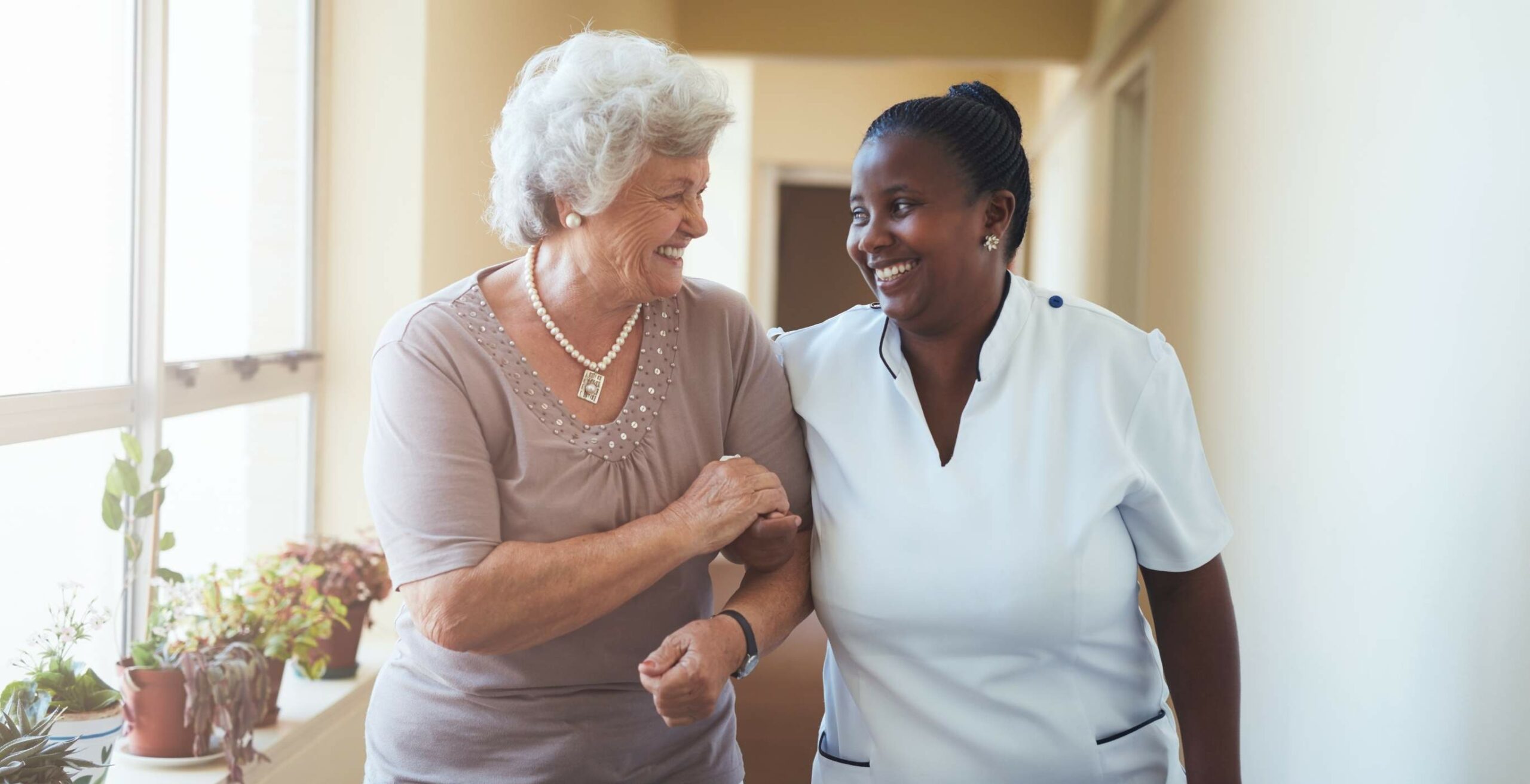 8 September, 2016
Home Health Care: It’s not the end of Something – it’s the Beginning of Something Else!
As seniors grow older, life changes, and there’s no getting around it.
Spouses get sick and die, children grow and move away, diseases come and go (or come and stay) and often, it gets difficult for the senior to do the things he or she once did.
In these situations, many seniors and their families begin to consider home health care.
Unfortunately, many people view home health care as a synonym for hospice – care that only very sick or dying people receive.
Because of this, many seniors, friends, and family members have a difficult time swallowing the concept of in-home care, and accepting that it may, in fact, be the wisest idea for a senior at a given point of life. In the end, though, this viewpoint only harms the senior and all of the people who love him or her.
In reality, home health care is a great opportunity for both seniors and their relatives to live freer, happier, more dignified lives. By switching the perception of home health care from something disastrous to something wonderful, seniors and their family members can begin to see how beneficial and helpful these programs can truly be.
Read More
What is Home Health Care?
Home health care is a broad term, but it is used to refer to any health care that is carried out in the home. This care could be minimal (light housework and occasional medication assistance) or intensive (nighttime care and full-time, live-in help). Contrary to what many people believe, home health care is not only available to seniors who are very ill or dying. In fact, many seniors who are still active, healthy, and spry utilize home health care as a way to stay independent and mitigate certain diseases or conditions. For example, a woman who suffers from severe arthritis but is not cognitively impaired in any way may utilize home health care simply because her family lives far away and she finds it difficult to do her laundry and prepare meals. Likewise, a man in the advanced stages of Alzheimer’s disease may receive home health care that provides medication assistance, house cleaning services, assistance with the activities of daily living, and nighttime care. The services of home health care vary widely, and the form it takes in any given situation will depend largely on a person’s unique needs, requirements, and desires.What Does Home Health Care do?
Again, the benefits of home health care depend largely on a person’s situation. For some seniors, home health care may amount to nothing more than some light housework and an occasional check-in. For others, home health care is critical maintenance care that allows them to maintain a level of independence and dignity. As a general rule, though, home health care offers the following benefits:- It helps to decrease loneliness. Seniors who live alone are at elevated risk of isolation and secondary symptoms, like depression, hopelessness, increased risk of mortality, and feelings of sadness or abandonment. Because not all seniors’ families can be nearby, home health care helps to fill in an important gap in many seniors’ lives, and can provide the companionship and attention needed to prevent a senior from feeling isolated.
- Home health care helps seniors stay independent. If friends and family aren’t available to help a senior around the home, many seniors find themselves moving into assisted living facilities simply because they can’t do small things like cook or clean for themselves anymore. A difficulty with life's little responsibilities doesn't always necessitate assisted living, though, and seniors who are otherwise fit to live on their own can extend their independence for months or even years with the help of home health care.
- It can decrease the cost of care. In many cases, assisted living is much more expensive than home health care. Because of this, it’s a popular option among seniors who need a bit of extra assistance but don’t want the expense or changes associated with leaving their homes for assisted living facilities. This is one of the largest perks of home health care, and is one of the most common reasons seniors and their families choose to use it.
- Home health care can help spot or prevent certain diseases. In many cases, seniors who live alone may not curative critical symptoms of developing diseases. While this may sound impossible, it’s not at all uncommon for a senior to write a reoccurring symptom off as a normal sign of aging. Unfortunately, this can have disastrous outcomes. With the help of home health care, though, seniors can catch early symptoms of new diseases or conditions. This, in turn, allows time for corrective treatment and can help the senior maintain his or her health in the long term.
Home Health Care is the Beginning of a Better Life
While it may be tempting to regard home health care as the sign that a senior is declining beyond reach, it’s a wonderful way to facilitate quality care for the elderly without requiring them to sacrifice their independence or dignity. By allowing a senior to remain in his or her home for as long as possible, home health care supports freedom and can help seniors maintain their health and enjoy happy, independent lifestyles for much longer than seniors without any in-home help. While the applications of home health care vary depending on needs and individual requirements, it’s clear that there are many ways for home health care to assist seniors. From medication management to intensive, round-the-clock nursing, home health care adapts to a unique senior’s needs and requirements rather than the other way around. This, in turn, allows the senior access to skilled, quality, tailored health care at a fraction of the cost of assisted living or similar services. Because of all of this, it’s essential for friends, family members, and seniors themselves to stop regarding home health care as a sign of the end. In fact – it’s a sign of great things to come! With the help of in-home care aides, most seniors report feeling younger, healthier, more alert and independent, and better equipped to participate in all of the activities of daily life. Because of this, home health care can go a long way toward making seniors feel more optimistic, happier, and better equipped to walk into their golden years happy, healthy, and excited about all of the great things that lie down the road! Whether a senior is suffering from a chronic condition or simply needs some additional help around the house, home health care is an excellent way to promote independence while also ensuring that the senior gets all of the quality medical care and attention he or she needs to thrive.