


Blog
Access valuable information for care that's more informed and compassionate.

 2 September, 2019
Seniors at the Wheel: Aging Health Issues that Impact Safe Driving
How to know when it’s time to reconsider driving for your elderly parent or patient.
Telling an elderly loved one that it may be time to stop driving can be a difficult conversation. For many seniors, driving may feel like a key aspect of independent living. Asking family or friends for rides can be embarrassing or frustrating—and relying on expensive taxis or car services can add up.
But if your loved one is facing physical limitations, driving can be a serious risk to their safety. While aging alone doesn’t change driving ability (there are many happy 90-year olds with licenses while their younger peers have long given them up!), elderly drivers are more likely to have health concerns or other limitations that pose a challenge behind the wheel.
Below are important tips to help you know when it’s time to ask your elderly loved one to hand over the keys—-and how to be sure you’re both making the safest choice.
If your loved one...is confused, nervous, distracted, or forgetful.
Whether your loved one has been diagnosed with Dementia, Alzheimer’s, or is simply experiencing general memory loss, cognitive health is the most important factor for safe driving. If he/she is not able to recall places or names, make choices quickly, or focus properly behind the wheel, they’re likely to be unable to navigate their vehicle or drive safely for any distance or time.
If your loved one...has recent vision changes or an eye disease.
Moderate to severe vision loss or eye diseases (such as cataracts, macular degeneration, glaucoma, and diabetic retinopathy) can make it harder for a driver to see road signs, merging cars, or pedestrians clearly enough to respond quickly.
If your loved one…has a hearing loss.
Safe driving relies just as much on our sense of hearing as on our sight. Sirens, honking horns, or mechanical issues need to be heard right away to avoid potential crashes or unexpected break-downs.
If your loved one…moves slower or feels weaker.
As any driver can tell you, quick reflexes can often be the difference between a crash and a quick swerve away from danger. As a driver ages, they may find their response times slowing down or their muscles weakening, both of which can undermine their control over the steering wheel, brakes, and vehicle.
Medications and Driving...one more thing to consider.
Regardless of age or health, mixing strong medications and driving is a cause for concern—-and seniors may be more susceptible to negative side effects than their younger counterparts. Even if your loved one is in the best of health, check carefully with his/her health provider to make sure none of the prescribed medications’ side effects may impact their ability to drive safely. Note also that some over-the-counter medications, such as antihistamines or cold medicines, may cause drowsiness or dizziness and should be double-checked with a health provider, too.
Making safe, smart choices with your aging parents can be a challenge. But choosing the best home care shouldn’t be. Learn more about finding compassionate caregivers focused on dignity and quality of life by reaching out to Community Home Health Care at 845.425.6555. We’re always happy to answer any questions and connect you with the right care for your family.
Read More
 7 August, 2019
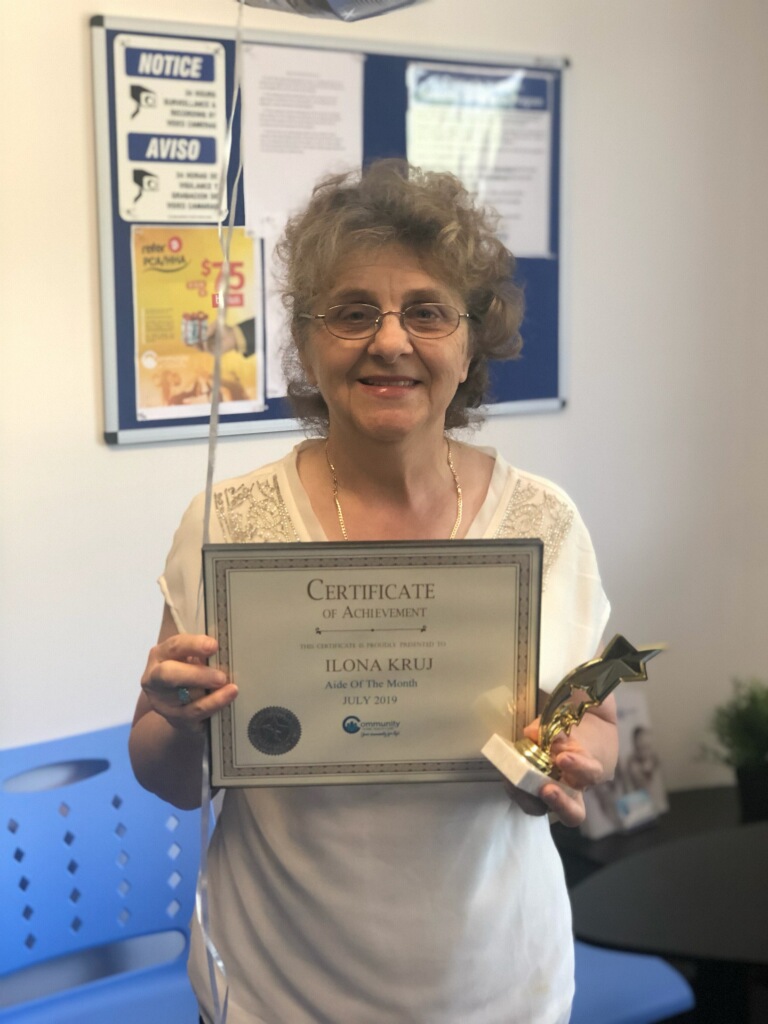
July Aides of the Month
[gallery size="medium" gallery_type="grid" columns="2" link="file" ids="eyJ1cmwiOiJodHRwczpcL1wvb2xkLmNvbW1oZWFsdGhjYXJlLmNvbVwvd3AtY29udGVudFwvdXBsb2Fkc1wvRG9yb3RobGVhLVdpbGxpYW1zLU5ld2J1cmdoLWUxNTY1MTk2NDk4NDAzLmpwZWciLCJ0aXRsZSI6IkRvcm90aGxlYSBXaWxsaWFtcyAtIE5ld2J1cmdoIiwiY2FwdGlvbiI6IiIsImFsdCI6IkRvcm90aGxlYSBXaWxsaWFtcyAtIE5ld2J1cmdoIiwiZGVzY3JpcHRpb24iOiJEb3JvdGhsZWEgV2lsbGlhbXMgLSBOZXdidXJnaCJ9,eyJ1cmwiOiJodHRwczpcL1wvb2xkLmNvbW1oZWFsdGhjYXJlLmNvbVwvd3AtY29udGVudFwvdXBsb2Fkc1wvSWxvbmEtS3J1ai1Nb25yb2UuanBnIiwidGl0bGUiOiJJbG9uYSBLcnVqIC0gTW9ucm9lIiwiY2FwdGlvbiI6IiIsImFsdCI6Iklsb25hIEtydWogLSBNb25yb2UiLCJkZXNjcmlwdGlvbiI6Iklsb25hIEtydWogLSBNb25yb2UifQ==,eyJ1cmwiOiJodHRwczpcL1wvb2xkLmNvbW1oZWFsdGhjYXJlLmNvbVwvd3AtY29udGVudFwvdXBsb2Fkc1wvSm9hbm4tRGF2aXMtUG91Z2hrZWVwc2llLmpwZyIsInRpdGxlIjoiSm9hbm4gRGF2aXMgLSBQb3VnaGtlZXBzaWUiLCJjYXB0aW9uIjoiIiwiYWx0IjoiSm9hbm4gRGF2aXMgLSBQb3VnaGtlZXBzaWUiLCJkZXNjcmlwdGlvbiI6IkpvYW5uIERhdmlzIC0gUG91Z2hrZWVwc2llIn0=,eyJ1cmwiOiJodHRwczpcL1wvb2xkLmNvbW1oZWFsdGhjYXJlLmNvbVwvd3AtY29udGVudFwvdXBsb2Fkc1wvU3RlcGhlbi1HZXJkaW5lLVNwcmluZy1WYWxsZXktZTE1NjUxOTY1MTgyNjIuanBnIiwidGl0bGUiOiJTdGVwaGVuIEdlcmRpbmUgLSBTcHJpbmcgVmFsbGV5IiwiY2FwdGlvbiI6IiIsImFsdCI6IlN0ZXBoZW4gR2VyZGluZSAtIFNwcmluZyBWYWxsZXkiLCJkZXNjcmlwdGlvbiI6IlN0ZXBoZW4gR2VyZGluZSAtIFNwcmluZyBWYWxsZXkifQ=="]
Read More
 1 August, 2019
Preventing Memory Loss: Exercises & Steps to Keep Your Mind Active
We’ve all walked into a room and paused, forgetting why we got up from the couch. Or let an appointment, phone call, or errand slip from our mind. But when an elderly loved one starts forgetting names, places, or regular activities, harmless memory slip-ups can become a reason for concern.
Fortunately, moderate memory loss is a typical sign of aging—-and not necessarily a reason to worry about Alzheimer’s or dementia. And while memory loss is to be expected, studies show there’s plenty of steps you or your loved ones can take to improve memory, boost cognitive skills, and possibly even slow the effects of dementia.
These steps, which include mental exercises and brain games, help our minds improved neuroplasticity. Neuroplasticity is how well our mind can adapt, change, and react to new situations or information. The more we work on mental gymnastics, the healthier we can keep neuroplasticity —and the more we can continue to remember, learn, and recall.
These mental exercises fall into one of two categories: skill developing and skill retaining. Studies point to learning new things as a key way to keep our mind sharp and developing at any age. At the same time, your elderly loved ones may be struggling to recall skills or abilities they once had, and retaining those skills is crucial for a quality of life.
Here are a few mind (and body) steps you can take for yourself or with an elderly loved one to prevent memory loss and increase mental activity.
Read More
-
Pick up an instrument, or a paintbrush.
-
Test recall, or leave the list at home.
-
Use your senses, or smell the roses.
-
Get moving, or even dancing.
 4 July, 2019
June Aides of the Month
[gallery link="file" size="medium" gallery_type="grid" columns="2" ids="eyJ1cmwiOiJodHRwczpcL1wvb2xkLmNvbW1oZWFsdGhjYXJlLmNvbVwvd3AtY29udGVudFwvdXBsb2Fkc1wvQ2F0aGVyaW5lLUZpbmstTW9ucm9lLmpwZyIsInRpdGxlIjoiQ2F0aGVyaW5lIEZpbmsgLSBNb25yb2UiLCJjYXB0aW9uIjoiIiwiYWx0IjoiIiwiZGVzY3JpcHRpb24iOiIifQ==,eyJ1cmwiOiJodHRwczpcL1wvb2xkLmNvbW1oZWFsdGhjYXJlLmNvbVwvd3AtY29udGVudFwvdXBsb2Fkc1wvUmFpZGlseXMtVmllcmEtS3JhbndpbmtlbC1OZXdidXJnaC1lMTU2MjIzMTc0NjYyOS5qcGVnIiwidGl0bGUiOiJSYWlkaWx5cyBWaWVyYSBLcmFud2lua2VsIC0gTmV3YnVyZ2giLCJjYXB0aW9uIjoiIiwiYWx0IjoiIiwiZGVzY3JpcHRpb24iOiIifQ==,eyJ1cmwiOiJodHRwczpcL1wvb2xkLmNvbW1oZWFsdGhjYXJlLmNvbVwvd3AtY29udGVudFwvdXBsb2Fkc1wvQ2FtaWxsZS1Qb3dlbGwtWW9ua2Vycy5qcGciLCJ0aXRsZSI6IkNhbWlsbGUgUG93ZWxsIC0gWW9ua2VycyIsImNhcHRpb24iOiIiLCJhbHQiOiIiLCJkZXNjcmlwdGlvbiI6IiJ9,eyJ1cmwiOiJodHRwczpcL1wvb2xkLmNvbW1oZWFsdGhjYXJlLmNvbVwvd3AtY29udGVudFwvdXBsb2Fkc1wvTWFybGVuZS1Ccm93bi1TcHJpbmctVmFsbGV5LmpwZyIsInRpdGxlIjoiTWFybGVuZSBCcm93biAtIFNwcmluZyBWYWxsZXkiLCJjYXB0aW9uIjoiIiwiYWx0IjoiIiwiZGVzY3JpcHRpb24iOiIifQ==,eyJ1cmwiOiJodHRwczpcL1wvb2xkLmNvbW1oZWFsdGhjYXJlLmNvbVwvd3AtY29udGVudFwvdXBsb2Fkc1wvU2hpcmxleS1TYW11ZWwtUGVla3NraWxsLmpwZyIsInRpdGxlIjoiU2hpcmxleSBTYW11ZWwgLSBQZWVrc2tpbGwiLCJjYXB0aW9uIjoiIiwiYWx0IjoiIiwiZGVzY3JpcHRpb24iOiIifQ=="]
Read More
 1 July, 2019
Caring Tips: How To Talk to a Loved One or Patient with Dementia
When a loved one or patient is suffering from dementia, maintaining communication can be one of the toughest challenges for a caregiver or family member. The patient’s limited understanding, environmental confusion, and verbal skills can lead to non-response—or increasing frustration for both carer and patient.
How can you have successful conversations with a loved one or patient suffering from dementia? Take the right steps to keep the conversation comfortable, easy to follow, and
First things first: prepare yourself to make the best of the conversation.
Prepare yourself for the conversation by getting into a patient, calm, and respectful mindset. Remember, while your patient may have limited cognitive functioning now—they are still the person you, or their family, has loved and admired. Conversation can be easier or harder depending on patient’s circumstances, but your attitude can ensure that every interaction is as meaningful and pleasant as possible.
Second: make the environment as comfortable as possible.
Read More
- Remove Distractions—choose a quiet, well-lit area to help your patient focus comfortably on the conversation.
- Get their Full Attention—begin your conversation by saying their name, or even touching them lightly on the shoulder or arm.
- Relax Your Body Language—non-verbal patients may rely heavily on body language, so make sure you give a relaxed, positive impression
- Maintain Eye Contact—keep their focus on you by sitting next to or across from them and maintaining calm, steady eye contact.
 4 June, 2019
May Aides of the Month
[gallery columns="2" link="none" size="large" gallery_type="grid" ids="eyJ1cmwiOiJodHRwczpcL1wvb2xkLmNvbW1oZWFsdGhjYXJlLmNvbVwvd3AtY29udGVudFwvdXBsb2Fkc1wvTWFyaWUtQXBvbGxvbi1TcHJpbmctVmFsbGV5LWUxNTU5NjQ1NTUyMzk1LmpwZyIsInRpdGxlIjoiTWFyaWUgQXBvbGxvbiAtIFNwcmluZyBWYWxsZXkiLCJjYXB0aW9uIjoiIiwiYWx0IjoiIiwiZGVzY3JpcHRpb24iOiIifQ==,eyJ1cmwiOiJodHRwczpcL1wvb2xkLmNvbW1oZWFsdGhjYXJlLmNvbVwvd3AtY29udGVudFwvdXBsb2Fkc1wvRXN0YWluLUZhaG5idWxsZWgtWW9ua2Vycy5qcGciLCJ0aXRsZSI6IkVzdGFpbiBGYWhuYnVsbGVoIC0gWW9ua2VycyIsImNhcHRpb24iOiIiLCJhbHQiOiIiLCJkZXNjcmlwdGlvbiI6IiJ9,eyJ1cmwiOiJodHRwczpcL1wvb2xkLmNvbW1oZWFsdGhjYXJlLmNvbVwvd3AtY29udGVudFwvdXBsb2Fkc1wvQXNobGV5LUZhc29uZS1Qb3VnaGtlZXBzaWUuanBnIiwidGl0bGUiOiJBc2hsZXkgRmFzb25lIC0gUG91Z2hrZWVwc2llIiwiY2FwdGlvbiI6IiIsImFsdCI6IiIsImRlc2NyaXB0aW9uIjoiIn0=,eyJ1cmwiOiJodHRwczpcL1wvb2xkLmNvbW1oZWFsdGhjYXJlLmNvbVwvd3AtY29udGVudFwvdXBsb2Fkc1wvU2hhcm9uLU1lcmNlci1XaGl0ZS1QbGFpbnMtZTE1NTk2NDU1MjY3ODYuanBlZyIsInRpdGxlIjoiU2hhcm9uIE1lcmNlciAtIFdoaXRlIFBsYWlucyIsImNhcHRpb24iOiIiLCJhbHQiOiIiLCJkZXNjcmlwdGlvbiI6IiJ9,eyJ1cmwiOiJodHRwczpcL1wvb2xkLmNvbW1oZWFsdGhjYXJlLmNvbVwvd3AtY29udGVudFwvdXBsb2Fkc1wvQnJ1bmV0dGUtQmFydGhlLU5ld2J1cmdoLWUxNTU5NjQ1NTQwNjY3LmpwZWciLCJ0aXRsZSI6IkJydW5ldHRlIEJhcnRoZSAtIE5ld2J1cmdoIiwiY2FwdGlvbiI6IiIsImFsdCI6IiIsImRlc2NyaXB0aW9uIjoiIn0="]
Read More
 29 May, 2019
Cost of home healthcare vs cost of hospital stay
As one continues to age, the last thing they want to worry about is sustainability. For the elderly, this worry can be a significant liability to their personal sense of capability. The majority of seniors want to stay in their home for as long as possible but this can be difficult when dealing with disease or illness. Home care, however, allows one to do this. It is different from institutional care, like assisted living or nursing homes, while still providing medical and, sometimes, non-medical care. For these types of elderly people, home health-care provides the satisfaction of quality service in patients’ home under the physician.
Read More
Home Healthcare vs. Hospital Stay
Johns Hopkins developed its hospital-at-home program as a means of treating elderly patients who either refused to go to the hospital or were at risk of hospital-acquired infections. The early trials of its model found the total cost of at-home care was 32% less than traditional hospital care, the length of stay for patients was shorter by one-third (3.2 days vs. 4.9 days), and the incidence of delirium - disturbance in mental abilities that result in confused thinking and reduced awareness - associated with prolonged hospital stay, was dramatically reduced (9% vs. 24%). In a recent study in the Journal of General Internal Medicine, healthcare costs were 52% lower than when acutely ill patients received hospital care at home, rather than being placed in a hospital bed. The cause of this is lower labor costs for at-home patients compared to patients in a hospital, where staff must be on hand 24/7. Home-care patients also had fewer lab visits from specialists. For instance, the average daily cost of a hospital stay is $6,200 while the average cost of home health care is just $135 per visit. Care quality may have also been slightly better for at-home patients, compared to patients who stay at the hospital, because acutely ill patients treated at home experienced more physical activity since they were able to sit upright and freely move around.The Difficulty of Payment
Unfortunately, in the U.S., the Centers for Medicare and Medicaid Services, and most private payers, do not pay for hospital care delivered at home and restrict payments for telemedicine - an essential aspect of the model that allows physicians and healthcare staff to communicate with the patient - and ultimately, restricting the possibility of implementation for a lot of patients.Who Also Benefits From Home Health Care?
In a research study, led by Levine, a clinician-investigator at Brigham and Women’s Hospital, they conducted a small, randomized, but controlled trial that compared the health-care use, experience, and cost of Brigham patients who either received hospital-level care at home or in the hospital of 2016. The 20 patients analyzed in the trial had one of several conditions, including infection, heart failure, chronic obstructive pulmonary disease or asthma. Caregivers - those providing aid - reported far less stress because they didn’t have to travel to an unfamiliar hospital, find parking, and coordinate bedside time with the clinical stuff while worrying about their clients.In Conclusion
Home health care is suitable for patients with chronic conditions, like diabetes, heart and circulatory diseases, musculoskeletal disorders that affect movement, or COPD and other breathing problems. Without assistance, these patients would usually have to seek long-term help from a nursing home or other residential setting but with home health care, they’re able to stay in the comfort of their home after hospitalization. Furthermore, home health-care increases participation in treatment because patients are able to receive therapy at home rather than travel to a remote location while dealing with their illness. If you introduce the idea to a loved one, make sure that it’s covered by your insurance plan. Some health insurance carriers don’t offer an easy way to cover hospital care at home, as NPR has noted. Others may only cover certain services or specific providers - so determine what options are best for you. Remember, your financial circumstance is important but the biggest priority is your loved one’s safety and recovery. For more information on how to approach delicate subjects regarding the elderly, visit our website, at https://old.commhealthcare.com/home-care-blog/. 5 May, 2019
April Aides of the Month
[gallery columns="2" link="file" gallery_type="grid" ids="eyJ1cmwiOiJodHRwczpcL1wvb2xkLmNvbW1oZWFsdGhjYXJlLmNvbVwvd3AtY29udGVudFwvdXBsb2Fkc1wvTWFyeS1CdWhzLUNhcm1lbC5qcGciLCJ0aXRsZSI6Ik1hcnkgQnVocyAtIENhcm1lbCIsImNhcHRpb24iOiIiLCJhbHQiOiIiLCJkZXNjcmlwdGlvbiI6IiJ9,eyJ1cmwiOiJodHRwczpcL1wvb2xkLmNvbW1oZWFsdGhjYXJlLmNvbVwvd3AtY29udGVudFwvdXBsb2Fkc1wvTWl0emktV2FsbGFjZS1Qb3VnaGtlZXBzaWUuanBnIiwidGl0bGUiOiJNaXR6aSBXYWxsYWNlIC0gUG91Z2hrZWVwc2llIiwiY2FwdGlvbiI6IiIsImFsdCI6IiIsImRlc2NyaXB0aW9uIjoiIn0=,eyJ1cmwiOiJodHRwczpcL1wvb2xkLmNvbW1oZWFsdGhjYXJlLmNvbVwvd3AtY29udGVudFwvdXBsb2Fkc1wvQ2FybWVuLUNoaW5jaGlsaW1hLVBlZWtza2lsbC5qcGciLCJ0aXRsZSI6IkNhcm1lbiBDaGluY2hpbGltYSAtIFBlZWtza2lsbCIsImNhcHRpb24iOiIiLCJhbHQiOiIiLCJkZXNjcmlwdGlvbiI6IiJ9,eyJ1cmwiOiJodHRwczpcL1wvb2xkLmNvbW1oZWFsdGhjYXJlLmNvbVwvd3AtY29udGVudFwvdXBsb2Fkc1wvSnVkeS1DcmFpZy1LaW5nc3Rvbi5qcGciLCJ0aXRsZSI6Ikp1ZHkgQ3JhaWcgLSBLaW5nc3RvbiIsImNhcHRpb24iOiIiLCJhbHQiOiIiLCJkZXNjcmlwdGlvbiI6IiJ9,eyJ1cmwiOiJodHRwczpcL1wvb2xkLmNvbW1oZWFsdGhjYXJlLmNvbVwvd3AtY29udGVudFwvdXBsb2Fkc1wvQXJsZW5lLUJyYWRsZXktTmV3YnVyZ2gtZTE1NTcwNjc1ODc0NjMuanBlZyIsInRpdGxlIjoiQXJsZW5lIEJyYWRsZXkgLSBOZXdidXJnaCIsImNhcHRpb24iOiIiLCJhbHQiOiIiLCJkZXNjcmlwdGlvbiI6IiJ9,eyJ1cmwiOiJodHRwczpcL1wvb2xkLmNvbW1oZWFsdGhjYXJlLmNvbVwvd3AtY29udGVudFwvdXBsb2Fkc1wvTGlzYS1NY0theS1NaWRsZXRvd24tZTE1NTcwNjc1NTMxNzkuanBnIiwidGl0bGUiOiJMaXNhIE1jS2F5IC0gTWlkbGV0b3duIiwiY2FwdGlvbiI6IiIsImFsdCI6IiIsImRlc2NyaXB0aW9uIjoiIn0=,eyJ1cmwiOiJodHRwczpcL1wvb2xkLmNvbW1oZWFsdGhjYXJlLmNvbVwvd3AtY29udGVudFwvdXBsb2Fkc1wvQWlkYS1Db3JzaW5vLVlvbmtlcnMuanBnIiwidGl0bGUiOiJBaWRhIENvcnNpbm8gLSBZb25rZXJzIiwiY2FwdGlvbiI6IiIsImFsdCI6IiIsImRlc2NyaXB0aW9uIjoiIn0=,eyJ1cmwiOiJodHRwczpcL1wvb2xkLmNvbW1oZWFsdGhjYXJlLmNvbVwvd3AtY29udGVudFwvdXBsb2Fkc1wvTWFyaWUtSGVucnktU2F0dXJuZS1Nb25yb2UuanBnIiwidGl0bGUiOiJNYXJpZSBIZW5yeSBTYXR1cm5lIC0gTW9ucm9lIiwiY2FwdGlvbiI6IiIsImFsdCI6IiIsImRlc2NyaXB0aW9uIjoiIn0="]
Read More
 1 May, 2019
Aging in Place, Home Living Trends
As they continue to age, an optimal choice for seniors looking to optimize their quality of life is to age in place. In fact, a 2014 AARP survey revealed that 87 percent of adults over the age of 65 preferred this option. Although health and physical capability are two big factors associated with aging at home, one factor that’s often forgotten is the livability of the home seniors are located in.
Modern homes are not always equipped to accommodate aging citizens. It’s not an easy choice to relocate, nor achieve a complete home remodel, especially when costs are high. However, the environment can be adapted to suit the needs and caution of older citizens with minimal modifications. The emergence of different technologies has also allowed aging in place to be more secure, and enables seniors to stay connected to family, as well as maintain medicinal schedules and any other health habits. Here are some of the home living trends to better maximize a seniors ability to age at home.
Read More
Home Living Trends
Home Access
First thing’s first- is the entrance to the home well lit? Though not many would consider it, making sure the entrance to the home accommodates seniors is something to think about when aging in place. Good lighting is essential for when night falls, and any mats that could cause a stumble should be removed. Also, a threshold entrance could warrant falls, so modifying to a level entrance would be more beneficial to prevent any trips or stumbles.Widen Doorways/ Hallways
In order to accommodate a scooter or wheelchair should the need arise, wider doors and hallways are essential for a home to fully accommodate seniors. Recommended hallway width is 48” and door width 36”.Go Fall-Proof
One in four American seniors fall every year. Because falls are a leading cause in accidents for seniors, a fall-proof home will make for a happy aging in place with little worry. To do this, install slip-proof flooring and/or get rid of threshold bath/shower entry. Also, other small modifications include getting rid of area rugs or running cables on the floor that could lead to tripping.Steps, Stairs, and Everything in Between
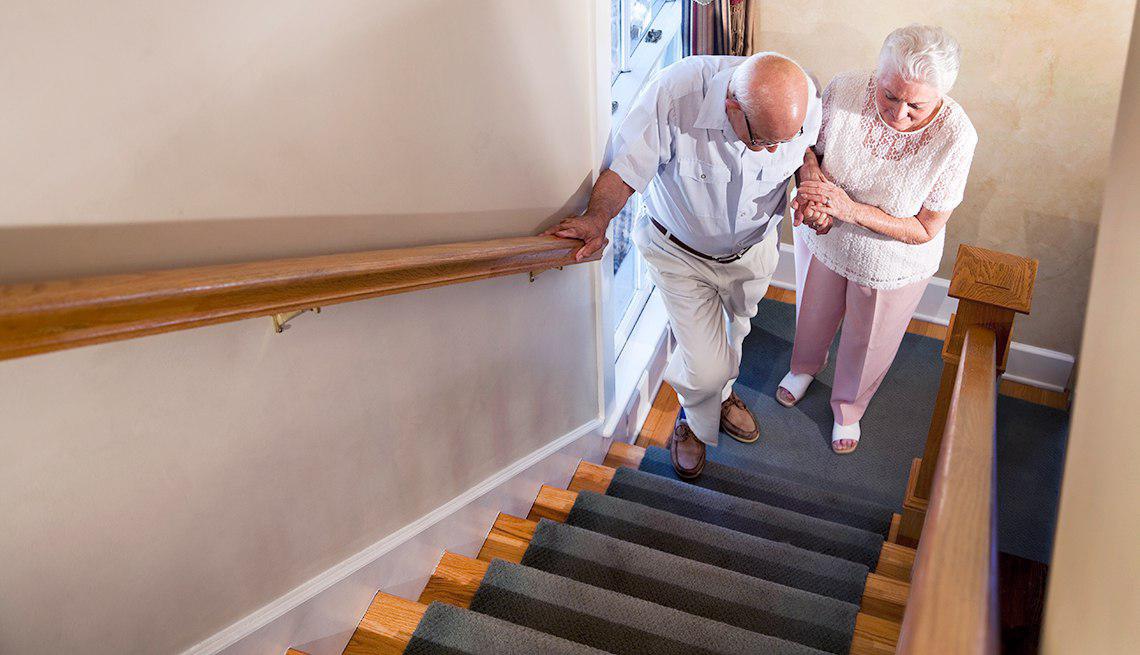
Steps and stairs in the home can trigger falls if not accommodated properly for older citizens. So if living in a two-story home, make sure the stairs are well lit by installing light switches on both ends. Also, replace any worn out carpeting and make sure no nails are sticking out of the stair steps. And the most beneficial step in modifying the home: make sure handrails are installed. This can be critical in preventing any falls!Get Connected
As newer technologies emerge, there are now apps beneficial for folks looking to age in place. Some apps are useful for emergencies and medication woes. For instance, Medisafe Pill Reminder reminds seniors when to take their pills and when it’s time for a prescription to be refilled. This app is also useful to track weight, pulse, temperature, blood glucose levels, and blood pressure. Then there’s the Red Panic Button app, which lets seniors open the app and tap the red button that appears in the middle of the screen in case of a fall or other emergency. This immediately sends a text message and email with your GPS location in a Google Maps link to all of your emergency contacts.In Conclusion
As seniors continue to age, many don’t see a reason to leave the comforts of their home and prefer to age in place. Modern advancements such as apps enable family members to stay close with these older citizens, and a few home modifications can ensure well-being and ease worry. Many seniors and their families are unsure where to start, or what programs are available to educate and support aging in place. Contact Community Home Health Care at 845-425-6555 to learn more today. Our care providers will be happy to assist.